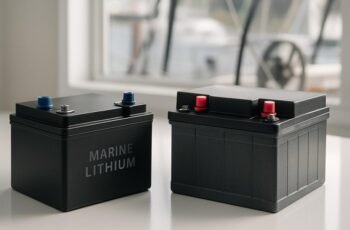
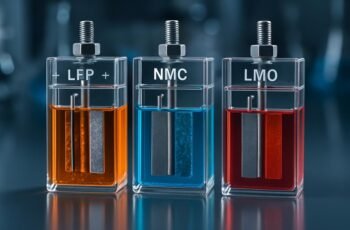
We compare LiPo and Lithium-Ion with a focus on practical trade-offs: form factor, energy density, and discharge capability shape our choices for drones, gadgets, and daily use. We’ll weigh how flexible polymer electrolytes affect pack design, safety handling, and charging quirks against the robust cycle life of cylindrical or prismatic cells. The stakes vary by project, so exploring the specifics we’ll uncover why one option may outperform the other in your application as we move deeper.
Key Takeaways
- LiPo uses flexible polymer electrolytes for shaping and high discharge, while Li-ion typically uses liquid electrolytes and rigid formats.
- LiPo emphasizes form factor and peak current; Li-ion prioritizes energy density and robust cycle life.
- Energy density and weight tradeoffs affect flight time, handling, and device performance; both have high per-cell voltage.
- Safety and charging require manufacturer profiles, temperature monitoring, and safe housing; puncture risk is higher with LiPo.
- Availability and cost differ: Li-ion packs are widely stocked with longer maintenanceless use, while LiPo is common in specialized, high-discharge applications.
LiPo vs Lithium-Ion: What’s the Real Difference in Performance?
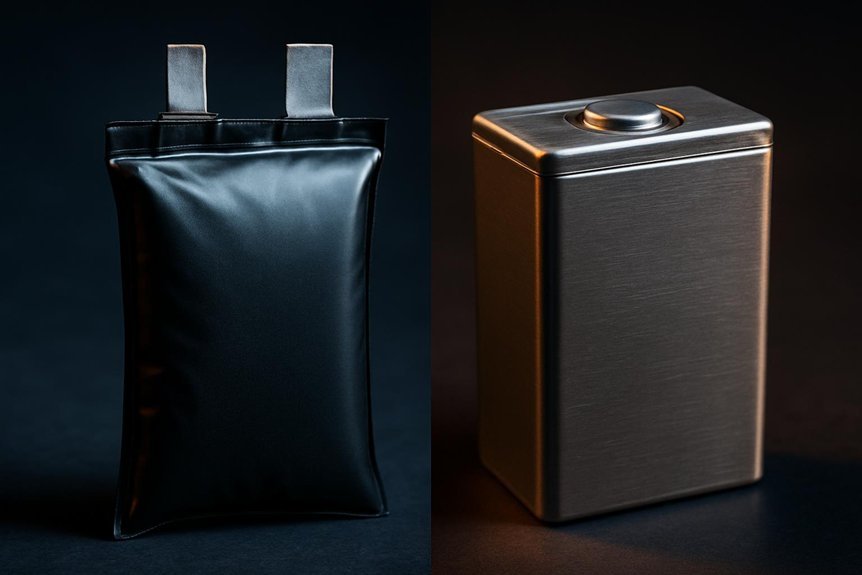
LiPo and lithium-ion cells share the same chemistry family, but they differ in construction, performance targets, and safety handling. We frame the real performance difference around chemistry, structure, and control. LiPo chemistry emphasizes thin, flexible polymer electrolytes, enabling shaped packs and higher discharge rates for compact designs. Lithium‑ion cells typically use liquid electrolytes with cylindrical or prismatic formats, prioritizing energy density and robust cycle life. In practice, both deliver high voltage per cell, but LiPo systems often exhibit lower volumetric energy density than some Li-ion variants under identical form factors. Battery safety remains pivotal: LiPo packs require careful handling, protection circuitry, and proper charging to prevent swelling or thermal runaway. For most users, choosing depends on form factor needs, not only raw capacity.
Energy Density, Weight, and Discharge: Which Matters for Your Use?
When deciding between energy density, weight, and discharge, we weigh what matters most for the application and its constraints. Our choice centers on matching energy density to runtime needs while keeping weight within structural limits. Higher energy density improves capacity per mass, but it often comes with tradeoffs in discharge rate and cycle life. We assess discharge rate to ensure the pack can sustain peak currents without voltage sag or overheating. Weight affects handling, fit, and energy delivery, so lightweight chemistry isn’t always superior if it compromises durability. Cycle life forecasts long-term performance and total cost of ownership, guiding whether a higher-density cell justifies accelerated wear. In practice, we balance energy density, weight, discharge rate, and cycle life to optimize efficiency and reliability for the target use.
Safety and Charging Quirks You Should Know
What safety quirks should we anticipate when handling Li-ion chemistries and charging them? We approach this topic with clear guidelines on Safe handling, Storage temperatures, Charging quirks, and Charge safety. Proper containment, avoiding puncture, and using rated gear minimize risk. Maintain moderate ambient temps and avoid extremes to preserve capacity and prevent thermal runaways. Use dedicated chargers with Li-ion profiles, balance charging, and monitor finish signals. Never bypass protections or mix chemistries.
| Category | Guidance | Rationale |
|---|---|---|
| Safe handling | Avoid punctures; store in non-conductive cases | Prevents short circuits and fires |
| Storage temperatures | 2–25°C; partial state of charge for long-term | Slows degradation and swelling |
| Charging quirks | Use manufacturer‑recommended CC/CV profiles | Ensures safe termination |
| Charge safety | Fire-safe housing; supervision during charging | Reduces hazard during faults |
| Monitoring | Temperature and voltage cutoff alerts | Early fault detection |
Which Battery for Drones, Gadgets, or Everyday Devices?
Choosing the right battery hinges on application demands, power requirements, and weight constraints. We address drones, gadgets, and everyday devices by matching energy density, discharge behavior, and form factor to use cases. For drones, battery chemistry dictates flight time, peak current, and safety margins; lithium polymer offers high specific energy with pliable packaging, while lithium iron phosphate emphasizes cycle life and thermal stability. Gadgets favor compact size and steady voltage, where nickel-mate chemistries or lithium cobalt blends can excel. Everyday devices benefit from predictable charging quirks and robust lifecycle performance. We evaluate compatibility with chargers, protection circuitry, and ambient conditions. Two two word discussion ideas about Subtopic not relevant to the Other H2s listed above: energy density tradeoffs, form factor constraints.
Cost, Availability, and Long-Term Value: Which Saves You More?
Are you wondering which battery type saves you more in the long run—cost, availability, and value across time? We compare Lipo and Lithium Ion on three axes: cost, availability, and long term value. In cost terms, Li-ion cells often have higher upfront prices, but lower maintenance and replacement needs can improve total cost of ownership. Availability trends show Li-ion packs are widely manufactured and stocked, while Lipo cells remain common in specialized segments but have tighter supply cycles. Maintenance considerations matter: Li-ion benefits from robust protection electronics and longer cycle life; Lipos require careful handling, storage, and balancing to avoid damage. Overall, long term value hinges on application, usage patterns, and charging discipline, not just initial price.
Frequently Asked Questions
How Do Lipo and Li-Ion Lifespans Compare in Real-World Use?
In real-world use, Li‑ion outlasts LiPo in aging cycles and cycles-to-failure, yet LiPo benefits from careful storage to minimize aging; both suffer storage self discharge, with LiPo slightly more susceptible when unused.
Can Temperature Affect Lipo and Li-Ion Performance Differently?
Temperature affects both, but LiPo and Li-ion react differently: we note temperature stability impacts performance, capacity, and cycle life; higher temps worsen aging, while cold reduces capacity and charge acceptance. We discuss charge rate implications for safe, efficient operation.
Which Battery Type Is Better for High-Drain Devices?
“Actions speak louder than words.” We answer: for high-drain devices, Li-ion generally performs better long-term, with fewer safety quirks; but LiPo offers higher peak currents. Our take balances high-drain tradeoffs and safety considerations for you.
Are There Environmental Impacts Unique to Lipo Vs Li-Ion?
Yes; there are distinct environmental impacts. We face environmental disposal and recycling challenges with LiPo and Li-ion differently, including electrolyte hazards and cathode material concerns, requiring specialized processes, transport controls, and standardized recycling streams for safe, effective handling.
How Do Charging Speeds Vary Between Lipo and Li-Ion?
We charge LiPo and Li-ion similarly at standard rates, but LiPo often supports faster peak currents; fast charge limitations depend on chemistry and controller. We apply thermal management strategies to prevent overheating while optimizing charging efficiency.
Conclusion
We weigh LiPo and Lithium-Ion by contrasting form and function. LiPo offers flexible, shaped packs with brisk current, yet trades volumetric density for form factor. Lithium‑Ion delivers steadier energy density and robustness, often in rigid formats. For drones and compact gadgets, LiPo’s flexibility shines; for long-lasting, high‑capacity systems, Lithium‑Ion prevails. In practice, choice hinges on weight, space, and safety. The real difference isn’t just chemistry—it’s how you balance form, function, and long-term value.