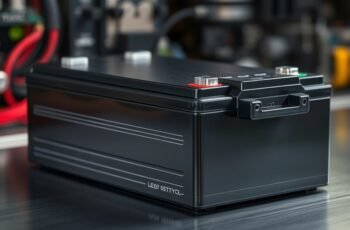
Imagine trying to fill a tank quickly without risking overflow—this balancing act resembles choosing the right fast lithium battery charger. As technology advances, selecting a charger involves analyzing efficiency, safety features, and device compatibility, much like fine-tuning a process for ideal results. With options spanning from budget-friendly to premium models, understanding the trade-offs becomes essential. Exploring the nuances of fast charging technologies will help you make informed decisions that preserve your device’s longevity while maximizing convenience.
Key Takeaways
- Consider chargers with advanced algorithms and safety features like temperature monitoring and automatic shutoff.
- Look for compatibility with your battery chemistry, capacity, and fast charging standards such as QC or USB Power Delivery.
- GaN chargers offer high efficiency, reduced heat, and faster charging in compact designs.
- Budget options like Anker PowerPort III provide reliable fast charging without high costs.
- Premium chargers like Samsung Super Fast Charger optimize speed while minimizing battery stress.
What Are Fast Lithium Battery Chargers and How Do They Work?
Fast lithium battery chargers are specialized power devices designed to replenish batteries at substantially higher rates than standard chargers, often reducing charging times from several hours to under an hour. They operate by delivering higher current levels while maintaining controlled voltage regulation to prevent overvoltage conditions. This rapid charging capability can impact battery lifespan if not properly managed, emphasizing the importance of integrated thermal management and smart charging algorithms. Additionally, charging safety is paramount; these chargers incorporate safeguards such as temperature monitoring, current limiting, and automatic shutoff features to mitigate risks of overheating or thermal runaway. By balancing high charging speeds with protective measures, fast lithium battery chargers enable efficient, safe energy replenishment without compromising battery durability or user safety.
Key Features to Look for in a Fast Lithium Battery Charger
When selecting a fast lithium battery charger, it’s essential to evaluate key features that guarantee efficiency, safety, and compatibility with your batteries. Prioritize chargers with advanced charge algorithms that optimize battery longevity by preventing overcharging and reducing thermal stress. Charging safety is paramount; look for models with built-in protections like current regulation, temperature monitoring, and automatic shutoff to mitigate risks. Compatibility issues can lead to suboptimal charging or damage, so verify the charger supports your specific lithium battery chemistries and capacities. A high-quality charger should also provide clear indicators of charging status and fault detection. By focusing on these features, you assure not only faster recharge times but also maintain the health and safety of your batteries over their lifespan.
Top Fast Lithium Battery Chargers for Different Devices and Budgets
Selecting a charger that balances speed, compatibility, and budget requires careful consideration of available options tailored to various devices and user needs. High-quality fast chargers optimize charging efficiency, reducing overall charging time while maintaining battery longevity. For budget-conscious users, models like the Anker PowerPort III offer reliable performance with decent charging speeds and affordability. Mid-range options, such as the Aukey Omnia, deliver enhanced charging efficiency and better battery management, extending device lifespan. Premium chargers, like the Samsung Super Fast Charger, prioritize rapid charging with advanced circuitry that minimizes heat and stress on the battery, promoting longevity. When choosing a charger, evaluating compatibility with your device’s power specifications and ensuring it supports fast charging standards is essential for maximizing both battery health and charging efficiency within your budget.
Tips for Safely Using Fast Chargers Without Damaging Your Battery
To prevent battery damage while utilizing fast chargers, it’s essential to adhere to best practices that safeguard the device’s longevity. Proper charging safety involves monitoring temperature levels, as excessive heat accelerates battery aging and reduces overall battery longevity. Using chargers that match the manufacturer’s specifications ensures controlled current flow, minimizing stress on the battery cells. Avoiding prolonged charging sessions beyond the recommended duration prevents overcharging, which can lead to capacity loss over time. Additionally, employing high-quality chargers with built-in safeguards helps maintain ideal charging conditions. Implementing these measures promotes consistent performance and prolongs battery life. Ultimately, prioritizing charging safety and following manufacturer guidelines are critical for maximizing the benefits of fast charging technology without compromising battery health.
Comparing Fast Charging Technologies: Which One Is Right for You?
With various fast charging technologies available today, understanding their differences helps us choose the right solution for our devices. Key factors to weigh include battery longevity and charging efficiency.
- Gallium Nitride (GaN) chargers offer high efficiency and compact design, reducing heat generation that can degrade batteries over time.
- Quick Charge (QC) protocols prioritize rapid charging but may compromise long-term battery health if not managed properly.
- USB Power Delivery (PD) emphasizes balanced charging speed and preservation of battery longevity by controlling power flow precisely.
- SuperVOOC or comparable proprietary tech delivers ultra-fast charging, but potential heat buildup requires careful thermal management to maintain battery health.
Choosing the right technology depends on balancing charging efficiency with your device’s impact on battery longevity.
Frequently Asked Questions
Can Fast Chargers Damage My Lithium Battery Over Time?
Fast chargers can impact battery lifespan if used excessively, as rapid charging increases heat and stress, potentially degrading cells over time. We recommend balancing charging speed with proper management to preserve lithium battery health and longevity.
Are There Specific Brands Known for Reliable Fast Lithium Chargers?
We recommend brands like Anker and RavPower for reliable fast lithium chargers, as they balance ideal charging speed with minimal impact on battery lifespan, ensuring your device’s longevity while efficiently reducing charging times through advanced power management technology.
How Do I Identify Genuine Fast Charging Technology?
We verify genuine fast charging tech by examining specifications like charging speed and its impact on battery lifespan. For example, a device claiming 45W charging should sustain minimal battery degradation over time, indicating authentic fast charging implementation.
Is Fast Charging Suitable for All Lithium Battery Capacities?
Fast charging suits most lithium batteries, but battery capacity impacts charging speed and thermal management. Larger capacities may require specialized chargers to optimize safety and efficiency, ensuring the charging process aligns with the battery’s technical specifications.
What Safety Certifications Should I Look for in a Fast Charger?
Coincidentally, ensuring charging safety is essential; look for chargers with certification standards like UL, CE, or FCC. These certifications verify compliance with safety protocols, minimizing risks of overheating, overcharging, and ensuring reliable performance for fast lithium battery charging.
Conclusion
Just like a skilled conductor balancing a symphony, choosing the right fast charger requires harmony between speed, safety, and device longevity. While rapid charging can seem like a swift race, prioritizing smart technology and protective features ensures we don’t sacrifice the health of our batteries for quick gains. Ultimately, selecting a charger is about orchestrating an efficient, safe performance—where innovation meets care, maintaining our devices’ robustness over time.