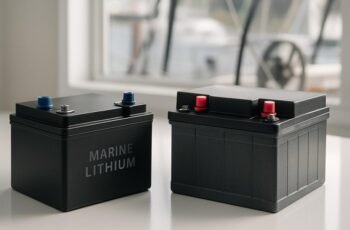
When comparing lithium and lead-acid batteries, understanding their lifespan and long-term performance is vital for making informed choices. Both types have distinct advantages and limitations influenced by design, usage, and environmental factors. We’ll analyze these differences, examining durability, maintenance, and cost-effectiveness to help identify which solution best aligns with your needs—and uncover what ultimately impacts their longevity over time.
Key Takeaways
- Lithium batteries typically last 8-15 years with over 2,000 charge cycles, while lead-acid batteries last about 3-5 years.
- Lithium batteries have a higher initial cost but longer lifespan and lower maintenance compared to lead-acid batteries.
- Lead-acid batteries require regular maintenance and are more sensitive to environmental conditions like moisture and temperature.
- Lithium batteries tolerate temperature swings better and are more environmentally friendly when recycled properly.
- Proper usage, climate control, and recycling extend the lifespan of both battery types, with lithium batteries generally offering greater durability.
How Do Lithium and Lead-Acid Batteries Differ in Lifespan?
While both lithium and lead-acid batteries serve as reliable energy storage solutions, their lifespans differ considerably due to their chemical compositions and design characteristics. Lithium batteries typically offer longer service lives, often exceeding 2,000 charge cycles, thanks to their stable chemistry and advanced manufacturing quality. Conversely, lead-acid batteries usually reach about 500-1,000 cycles before significant capacity loss. The durability of lithium batteries also benefits from improved battery recycling processes, which help manage material degradation and extend usability. Manufacturing quality plays a vital role in lifespan, with high-grade materials reducing internal resistance and enhancing cycle stability. Ultimately, the inherent chemical stability and manufacturing standards drive the longevity disparities between these two battery types.
Factors That Affect Battery Durability and Longevity
Several key factors influence the durability and longevity of batteries, with chemical stability, operating conditions, and manufacturing quality playing pivotal roles. Chemical stability determines how well a battery withstands repeated charge cycles without degradation, directly impacting lifespan. Operating conditions, such as temperature and discharge rates, can accelerate wear or induce capacity loss over time. Manufacturing quality ensures consistency and minimizes defects that could shorten battery life. Technological advancements, like improved electrode materials, enhance chemical stability and resilience. Battery recycling also affects longevity by promoting sustainable practices that prevent material degradation and facilitate the development of new, more durable chemistries. Ultimately, these factors collectively shape how long a battery can reliably serve its purpose, emphasizing the importance of ongoing innovation and responsible disposal methods.
Comparing Maintenance Requirements for Lithium and Lead-Acid Batteries
When comparing the maintenance requirements of lithium and lead-acid batteries, it becomes evident that each technology demands different levels of oversight and intervention. Lead-acid batteries require regular checks of electrolyte levels, equalization charges, and terminal maintenance to prevent sulfation and capacity loss. Conversely, lithium batteries need minimal maintenance, typically limited to monitoring voltage and temperature levels. From an environmental standpoint, lithium batteries have an advantage due to their longer lifespan and reduced frequency of replacement, which impacts battery recycling efforts less frequently. Lead-acid batteries, however, pose greater environmental concerns because of hazardous electrolyte disposal, necessitating more rigorous recycling protocols. Overall, lithium batteries offer lower maintenance demands and a potentially reduced environmental impact, streamlining operational costs and ecological considerations.
Which Battery Type Offers Better Cost-Effectiveness Over Time?
When evaluating cost-effectiveness, we consider both initial purchase prices and ongoing maintenance expenses. Lithium batteries typically have higher upfront costs but lower long-term maintenance needs, whereas lead-acid batteries are cheaper initially but incur higher upkeep. Analyzing these factors allows us to determine which option offers better value over the lifespan.
Initial Purchase Cost
The initial purchase cost of lithium batteries is generally higher than that of lead-acid batteries, which can influence short-term budget considerations. However, this difference often reflects more advanced manufacturing processes and higher-quality materials used in lithium battery production. While lithium batteries typically demand a larger upfront investment, their longevity reduces replacement frequency. Additionally, lithium batteries benefit from more sustainable battery recycling methods, which can offset environmental costs over time. Lead-acid batteries, produced through simpler manufacturing processes, are cheaper initially but tend to require more frequent replacements, increasing long-term expenses. When evaluating cost-effectiveness, it’s essential to weigh the full lifecycle, including manufacturing, recycling, and disposal costs, rather than just initial purchase price.
Long-Term Maintenance Expenses
While the higher initial cost of lithium batteries can be a barrier, their long-term maintenance expenses often determine overall cost-effectiveness. Lithium battery chemistry generally requires less frequent maintenance, reducing operational costs. Key factors include:
- Cycle Life: Lithium batteries typically endure more charge-discharge cycles, lowering replacement frequency.
- Recycling Protocols: Advanced recycling protocols for lithium batteries mitigate disposal costs and environmental impact, unlike lead acid batteries that require more frequent electrolyte management.
- Maintenance Needs: Lithium systems demand minimal top-up and monitoring, whereas lead acid batteries require regular watering and equalization.
How Usage Patterns Influence Battery Lifespan
Usage patterns directly affect battery longevity, with charging frequency and depth of discharge playing vital roles. Frequent shallow cycles tend to extend lifespan, whereas deep discharges accelerate capacity loss. Additionally, environmental conditions like temperature and humidity can markedly influence overall battery performance and durability.
Charging Frequency Effects
Frequent charging cycles markedly impact battery longevity by accelerating wear mechanisms, especially in lithium and lead-acid chemistries. The battery chemistry determines how each charge cycle influences degradation. Specifically, repeated charging cycles can cause:
- Electrode deterioration due to mechanical stress from volume changes during charging.
- Electrolyte breakdown leading to increased internal resistance.
- Formation of solid electrolyte interphase (SEI) layers, which hinder charge transfer over time.
In lithium batteries, high charging frequency accelerates capacity fade through SEI growth, while in lead-acid chemistries, it promotes grid corrosion. Understanding these effects helps optimize usage patterns, prolonging lifespan by minimizing unnecessary charging cycles and promoting balanced charging strategies.
Depth of Discharge Impact
The depth of discharge (DoD) directly influences a battery’s lifespan by affecting the extent of electrode degradation and capacity fade. Frequent deep cycling accelerates electrode wear, reducing overall capacity retention over time. Lithium batteries typically tolerate shallower discharges better, maintaining higher capacity retention during repeated cycles, whereas lead acid batteries experience more pronounced capacity fade with deep cycling. The number of cycles a battery can endure is inversely related to DoD; deeper discharges shorten cycle life substantially. This relationship underscores the importance of managing discharge levels to optimize longevity. For both chemistries, limiting deep cycling preserves capacity retention, but lithium batteries generally demonstrate superior resilience to deep discharges, making them more suitable for applications requiring frequent deep cycling without rapid capacity loss.
Usage Environment Factors
Environmental conditions and operational patterns considerably influence the lifespan of lithium and lead acid batteries. Variations in environmental stability and temperature fluctuations can accelerate degradation processes. Consider these key factors:
- Temperature stability: Consistent, moderate temperatures reduce stress on battery chemistry, extending lifespan.
- Temperature fluctuations: Frequent shifts between high and low temperatures cause expansion and contraction, damaging internal components.
- Environmental humidity: Excess moisture promotes corrosion, especially in lead acid batteries, diminishing operational life.
Lithium batteries generally tolerate temperature swings better but still suffer from environmental instability. Lead acid batteries are more sensitive, with performance heavily impacted by temperature and humidity. Proper environmental control and awareness of these factors are vital for maximizing battery longevity.
Real-World Lifespan Expectations for Lithium vs. Lead-Acid Batteries
While lithium and lead-acid batteries are both widely used energy storage options, their real-world lifespans can vary considerably based on operational conditions and maintenance. Lithium batteries typically last between 8 to 15 years, supported by manufacturer warranties that often extend up to a decade, reflecting their durability under proper use. Lead-acid batteries generally have shorter lifespans, around 3 to 5 years, with warranties often limited to 2-3 years. Factors such as deep discharges, temperature fluctuations, and cycle frequency heavily influence longevity. Additionally, the ease of battery recycling impacts overall sustainability; lithium batteries are increasingly recyclable, extending their environmental lifespan, whereas lead-acid batteries have long-standing established recycling processes. These aspects collectively shape realistic expectations for battery performance in real-world applications.
Tips to Maximize the Life of Your Battery, Regardless of Type
Maximizing your battery’s lifespan requires careful attention to usage patterns and maintenance practices, regardless of whether you’re using lithium or lead-acid technology. To optimize longevity and reduce environmental impact, consider these key strategies:
- Maintain Proper Charging Cycles: Avoid deep discharges and overcharging, which accelerate capacity loss. Regular, controlled charging preserves cell integrity.
- Implement Routine Battery Recycling: Proper disposal and recycling reduce harmful environmental impacts and recover valuable materials, promoting sustainability.
- Monitor Operating Conditions: Keep batteries within recommended temperature ranges to prevent degradation. Proper climate control extends lifespan and supports responsible environmental management.
Adhering to these practices enhances performance, minimizes waste, and aligns with sustainable battery lifecycle management.
Frequently Asked Questions
Are Lithium Batteries More Environmentally Friendly Than Lead-Acid Batteries?
We find lithium batteries more environmentally friendly due to their lighter weight, reducing transportation emissions, and lower manufacturing impact, which minimizes resource extraction and energy use; however, recycling challenges must be carefully managed for true sustainability.
How Does Temperature Impact the Lifespan of Each Battery Type?
When it comes to temperature, both batteries face thermal regulation challenges that accelerate battery degradation. High temperatures speed up aging, while cold temps reduce performance; managing heat is essential to prolong their lifespan and maintain efficiency.
Can Lithium Batteries Be Recycled More Easily Than Lead-Acid Ones?
We believe lithium batteries are more recyclable than lead-acid ones, reducing environmental impact through advanced battery recycling processes. This efficiency minimizes hazardous waste, making lithium batteries a more sustainable choice for environmentally conscious applications and long-term sustainability.
What Safety Concerns Are Associated With Each Battery Type?
We recognize safety concerns in battery manufacturing and recycling processes: lithium batteries pose fire risks from thermal runaway, while lead-acid batteries risk acid leaks and toxicity, necessitating strict handling protocols to guarantee safety during use and disposal.
How Do Charging Speeds Differ Between Lithium and Lead-Acid Batteries?
Think of rapid charging like filling a cup quickly—lithium batteries handle it better, reducing battery degradation, whereas lead-acid batteries struggle, risking damage and slower charging times. We find lithium’s faster, more efficient for quick energy needs.
Conclusion
Ultimately, choosing between lithium and lead-acid batteries is like selecting the right vessel for a long voyage. Lithium offers a sturdy, reliable ship built for extended journeys, withstanding the test of time and cycles. Lead-acid is more like a smaller boat, requiring frequent repairs and replacements. By understanding their differences and optimizing usage, we can navigate the energy landscape more efficiently, ensuring our investment endures the voyage as long as possible.