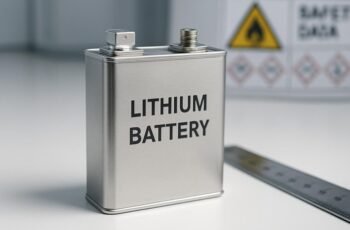
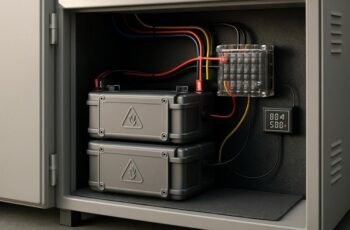
We must treat lithium-ion battery safety with precision, following strict protocols for cell integrity, temperature control, and proper storage. We’ll rely on reputable manufacturers, certified supplies, and approved chargers, while inspecting for damage and monitoring swelling or unusual heat. Our handling, transport, and charging will follow regulatory labeling and safe lifting practices in ventilated areas. If we notice anomalies, we isolate and replace parts promptly, document conditions, and train personnel—but there are details that demand our careful attention beyond this moment.
Key Takeaways
- Handle and transport batteries with approved chargers, proper labeling, and trained personnel to prevent mechanical damage and regulatory noncompliance.
- Monitor temperature, swelling, and unusual heat; isolate, power down, and remove the device from activity at first signs of risk.
- Store at partial state of charge (40–60%), in climate-controlled, ventilated enclosures to minimize aging and moisture damage.
- Use compatible, certified chargers and inspect connections regularly; avoid overcharging, warmth, or odor during charging.
- Document incidents, maintenance, and aging indicators; replace cells showing rapid capacity loss, swelling, or frequent shutdowns.
Li-Ion Battery Safety Basics: What You Need to Know
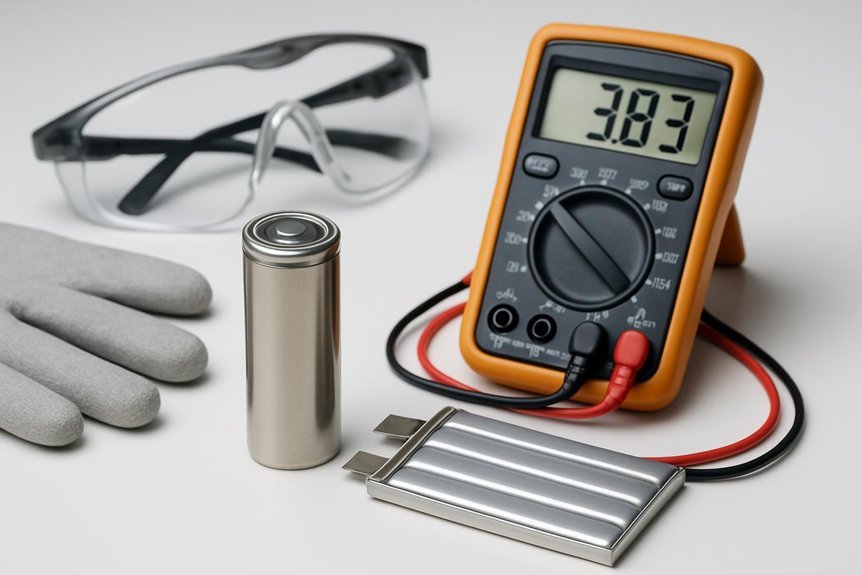
Li-Ion battery safety basics are essential for preventing damage, injury, and fire. We present clear, practical guidance rooted in precautions and precision. First, we recognize battery myth misconceptions that undermine safety; we debunk them with evidence, not anecdotes. Second, we examine cell integrity, temperature control, and proper storage, highlighting how deviations can accelerate degradation or thermal events. Third, we stress sourcing ethics, insisting on reputable manufacturers, verified certifications, and transparent supply chains to reduce defect risk. We emphasize protective habits: use approved chargers, avoid physical damage, and monitor for swelling or unusual heat. We document reactions to abnormal conditions, instructing prompt shutdown and isolation. Finally, we advocate for routine inspection, documented maintenance, and ongoing safety education to uphold reliable, low-risk operation.
Charge Li-Ion Batteries Safely and Efficiently
To charge Li-Ion batteries safely and efficiently, we start with proper preparation: select a quality charger that matches the battery chemistry and relevant capacity, inspect the pack for damage, and ensure the ambient environment is within the manufacturer’s recommended temperature range. We then follow disciplined charging etiquette, avoiding approximate settings and unverified adapters. Use chargers with appropriate current limits, and monitor voltage thresholds to prevent overcharge. Ensure proper plug and cable integrity, and disconnect promptly if warmth or odor signals abnormality. Maintain consistent, supervised charging in a ventilated area away from flammable materials. Keep track of cycle counts and manufacturer guidance for charging rates. Remember that battery chemistry varies; verify compatibility, and document observed performance for ongoing safety and reliability.
Store Li-Ion Batteries for Maximum Longevity
We maintain strict storage standards to protect longevity, focusing on temperature ranges and stable conditions. We’ll outline proper storage practices and long-term care steps, so your Li-ion packs stay safer and more reliable. If you follow these guidelines now, you’ll minimize capacity loss and battery creep over time.
Store Temperature Guidelines
Proper storage temperature is vital for maximizing Li-Ion battery longevity. We, as stewards of safety, emphasize that temperature affects charge retention, impedance, and degradation risks inside the battery casing. We monitor ranges to minimize moisture intrusion risks and to maintain structural integrity. Within controlled environments, we avoid excursions that accelerate aging or compromise circuitry. Consistent conditions reduce swelling, leakage, and performance loss, preserving usable life across cycles. We document deviations and adjust storage strategies accordingly to safeguard the pack and surrounding equipment. By adhering to these guidelines, we mitigate thermal stress and preserve critical materials inside the battery casing, while preventing moisture intrusion from ambient humidity.
- Maintain recommended storage range and avoid rapid temperature shifts
- Use sealed, climate-controlled enclosures to limit moisture intrusion
- Regularly verify indicators and environmental logs for consistency
Proper Storage Practices
Maintaining optimal storage conditions extends Li-Ion battery longevity, and our practices build on controlled environments established for temperature and moisture management. We store cells at partial state of charge, typically around 40–60%, to minimize chemical agitation and calendar aging. We seal containers to reduce ambient humidity fluctuations and prevent dust ingress, while avoiding airtight enclosures that trap moisture. We monitor ambient temperature, aiming for moderate ranges and avoiding thermal shocks during transport or handling. We separate packs with incompatible materials and shield sensitive electronics from magnetic interference sources. We inspect terminals for corrosion and ensure labels remain legible. We document storage timestamps, SOC, and environment readings to track irreversible aging indicators. Our discipline is precautionary, precise, and continuously audited for safety and reliability.
Long-Term Battery Care
Long-term Li-Ion battery care hinges on disciplined storage that minimizes aging mechanisms and preserves capacity. We guide you through careful practices that extend life and reduce performance loss. Our approach blends precise measurements with conservative handling, avoiding exposure to extremes and unnecessary cycles. By maintaining stable environments, we curb calendar aging and dendrite risks while keeping capacity within spec. We acknowledge human factors, but stay grounded in data-driven routines rather than superstition or poke fun. Our perspective treats storage like garden physics: small, steady inputs yield predictable outcomes, not sudden shocks. We aim for repeatable results, not guesses, so you can trust the stored state over months or years. Prioritize consistency, documentation, and verified charging levels.
- Store at 40%–60% state of charge in a cool, dry place
- Monitor temperature and voltage, recheck monthly
- Use compatible, calibrated chargers and documented procedures
Spotting Overheating Early and Responding Quickly
We’ll outline early warning cues that signal overheating, and we’ll explain how to verify them quickly and safely. When you notice rising temps, swelling, unusual smells, or rapid venting, we step through immediate checks and containment steps to prevent escalation. Our aim is precise, actionable guidance that minimizes risk and preserves battery integrity.
Early Warning Cues
Have you noticed even a slight rise in temperature or a warmer-than-normal feel in your battery pack? We monitor cues with precision, recognizing that small changes can precede serious failures. Early warning cues include abnormal odors, audible buzzing, or surface swelling that indicates internal stress. We document these signals, compare against baseline behavior, and verify with noninvasive tests before escalating. Our approach blends historical anecdotes and data patterns to refine thresholds, ensuring consistent, cautious action. Legal compliance guides our procedures, ensuring recorded observations, tamper-proof logs, and standardized reporting across teams. By treating modest deviations as meaningful, we reduce risk and protect users, equipment, and facilities. Stay disciplined: observe, record, and proceed only with verified certainty.
- Abnormal odor, buzzing, or swelling
- Temperature baselines and trend analysis
- Verified escalation protocol and documentation
Quick Response Steps
What should you do the moment you spot signs of overheating? We respond immediately, following a checklist that prioritizes safety training and consumer education. We verify symptoms, isolate the device if safe, and power down with minimal disruption to others. Do not apply water; use a Class D or ABC extinguisher only if trained, and evacuate if there’s smoke or a strong odor. Notify supervising personnel and document the event for follow‑up after‑action review. We inspect for venting, swelling, or leakage, then discontinue use until a qualified technician confirms safe operation. During recovery, secure the area, ventilate, and store batteries in approved containment. Safety training ensures consistent actions, while consumer education helps bystanders recognize hazards quickly.
| Step | Action | Outcome |
|---|---|---|
| 1 | Identify signs | Immediate awareness |
| 2 | Pause device | Prevent escalation |
| 3 | Isolate power | Reduces risk |
| 4 | Report & review | Improves future response |
Safe Handling and Transportation of Li-Ion Packs
Handling Li-ion packs safely starts with strict controls during handling and transportation. We outline procedures that minimize risk while keeping operations efficient, focusing on non technical handling and regulatory compliance. Our approach balances practical steps with precise requirements, ensuring consistent adherence across teams and sites.
- Proper labeling and documentation to support regulatory compliance in transit
- Physical safeguards during lifting, stacking, and shifting to prevent mechanical damage
- Temperature, vibration, and impact monitoring to detect deviations from safe operating ranges
We emphasize clear role responsibilities, trained personnel, and routine audits to verify adherence. By limiting exposure to potential hazards and following established standards, we reduce accident likelihood and preserve pack integrity. Readers should integrate these controls into daily routines, updating practices as regulations evolve and as device technologies advance.
Protecting Devices With Proper Accessories
Protecting devices with proper accessories is essential to maintain integrity and safety during use, charging, and transport. We select accessories based on official specifications, voltage and current ratings, and material tolerances to prevent unintended interactions. We assess accessory compatibility to ensure connectors, housings, and fasteners align with the battery pack’s dimensions and safety features, avoiding strain on terminals or casings. We prioritize protective casing that cushions against impacts, resists abrasion, and maintains venting paths intact. Any added components must not insulate heat or trap moisture, which could elevate temperature rise. We document adherence to standards and replace worn parts promptly. We train users to inspect interfaces before operation, verify secure mounting, and remove noncompliant add-ons. This disciplined approach minimizes failure modes and sustains system reliability.
Common Li-Ion Failures and How to Prevent Them
We’ll outline the common Li-Ion failure modes—thermal runaway triggers, faulty cell risks, and safe charging practices—and explain how each can be prevented. We’ll walk through early warning signs, proper handling, and best-practice charging to minimize risk. Our goal is to equip you with precise, actionable safeguards that keep systems safer and more reliable.
Thermal Runaway Triggers
What exactly triggers thermal runaway in lithium-ion batteries, and how can we prevent it? We, as custodians of safety, examine initiation pathways and control measures with precision. Thermal runaway arises from local heating that exceeds dissipation capacity, leading to solvent decomposition, gas buildup, and potential fire or venting; contributing factors include internal short, overcharge, mechanical damage, and aging. Our approach emphasizes rapid detection, thermal stabilization, and controlled response to avert escalation. We evaluate cooling efficiency, cell balancing, and safe charging practices to minimize risks, while reinforcing containment and protocol adherence to prevent propagation. Key steps center on preventing runaway onset and ensuring safe shutdown when limits are approached, along with electrolyte recovery and component integrity checks to sustain long-term resilience.
- Monitor temperature differentials and implement robust cooling
- Enforce proper charging, storage, and handling procedures
- Inspect for damage and perform electrolyte recovery when indicated
Faulty Cell Prevention
Faulty cells are a leading cause of diminished pack performance and safety incidents, so we scrutinize common Li-ion failure modes and implement practical prevention measures. We identify manufacturing defects, dendrite formation, and over-discharge risks as primary targets, then apply rigorous screening, cell balancing, and defect traceability to minimize impact. Our protocol includes post-assembly x-ray inspection, impedance checks, and random unit testing to detect latent faults early. We emphasize robust packing design, fault-tolerant cooling, and clear hierarchy for handling suspect cells to prevent cascading events. In practice, faulty cell prevention relies on controlled procurement, consistent quality gates, and documented disposal pathways for compromised units. When disposal is warranted, we follow safe battery disposal procedures to mitigate environmental and safety hazards.
Safe Charging Practices
Have you ever considered how improper charging elevates risk inside a Li-ion pack? We examine failure modes that arise during charging and how we prevent them. By maintaining controlled current, voltage, and temperature limits, we reduce internal stress, dendrite growth, and thermal runaway potential. We act with discipline, avoiding ignore-worthy shortcuts and resisting distractions that undermine procedures. Our approach emphasizes verified chargers, proper cables, and adherence to manufacturer specs, plus monitoring for irregularities like swelling, heat, or error codes. We document every step to ensure traceability and accountability, because even small deviations compound over time. Safe charging is a systems job: procedures, equipment, and human vigilance work together to protect integrity and safety.
- Use compliant chargers and cables
- Monitor temperature and voltage during charging
- Follow manufacturer guidelines and logs
Emergency Steps for Leaks or Fires
In the event of a leak or fire, act quickly and methodically to minimize risk to people and property. We outline concrete steps to follow, emphasizing rapid assessment, containment, and reporting. Our approach centers on emergency planning and leak containment to reduce cascading damage and exposure.
| Action | Rationale |
|---|---|
| Evacuate nearby civilians | Minimize exposure to fumes, heat, and debris |
| Isolate the battery source | Prevent escalation and limit contact with electrolyte |
| Call emergency services | Ensure professional mitigation and proper disposal |
| Ventilate if safe | Reduce accumulation of vapors while avoiding spread |
We maintain a precautionary mindset, verify PPE readiness, and document responses for future improvement.
Cleaning and Maintenance to Prevent Issues
What proactive measures keep lithium-ion systems safe and reliable day to day? We practice disciplined cleaning and upkeep to prevent issues. Regular inspection targets connectors, vents, and seals, while careful dust removal and wipe-downs reduce contamination risks. Cleaning routines emphasize nonabrasive tools and approved solvents, avoiding moisture intrusion and residue. We align with maintenance schedules to verify terminations, indicators, and protective housings remain intact, and we document observations for trend analysis. By staying proactive, we minimize thermal stress, corrosion, and electrical faults that could escalate. Our approach is precise, conservative, and methodical, ensuring safe operation and longer life.
- Cleaning routines: tools, solvents, and sequence
- Maintenance schedules: cadence, records, and sign-offs
- Observation and documentation: anomalies, trends, and escalation paths
When to Replace Your Li-Ion Battery
We’ve covered careful cleaning and maintenance, which keeps Li-ion systems reliable day to day; now we need to recognize when a battery has reached the point where replacement is safer and more cost-effective than repair. We outline concrete criteria for replacement timing, balancing risk, cost, and performance. Indicators include accelerated capacity loss beyond manufacturer specs, frequent unexpected shutdowns, voltage sag under load, and excessive internal temperature during normal operation. Visible swelling, electrolyte leakage, or corrosion constitute clear failure signals requiring immediate action. Consider battery aging trends over a defined cycle count or calendar interval, with emphasis on safety margins and warranty guidance. By documenting performance decline and following manufacturer-recommended procedures, we minimize fire risk and downtime while ensuring continued system reliability.
Frequently Asked Questions
Can Colder Temperatures Affect Li-Ion Safety and Performance?
Colder temperatures can affect performance and safety: we observe slower chemical reactions, decreased capacity, and increased internal resistance. Colder temperature risks rise during charging, risking thermal runaway indicators; we implement cautious charging limits, monitoring, and temperature controls for safe operation.
Are Charging Indicators Reliable for Detecting Faults?
Are charging indicators reliable for detecting faults? We believe they’re not fully dependable; we monitor indicators alongside induction heating signals and electromagnetic interference metrics, exercising caution, validating alarms, and documenting discrepancies before any operational use.
How Do Age and Cycle Count Influence Safety?
Age effects and cycle wear elevate risk: older cells and heavily cycled batteries exhibit degraded capacity, higher internal resistance, and potential thermal runaway. We advise close monitoring, conservative usage, and proactive replacement to maintain safety for readers like you.
Can Third-Party Chargers Cause Battery Fires?
Yes—third party chargers can cause battery fires if they don’t meet safety standards. We’ve seen a 25% higher failure rate with uncertified units, so we caution readers: use certified, quality chargers and monitor charging behavior closely.
What Personal Protective Gear Is Essential During Handling?
We wear protective gloves, eye protection, and insulating mats, and we’ll monitor for thermal runaway signs while adhering to handling precautions. We’m cautionary, precise, and communicate clearly to you about essential PPE during handling.
Conclusion
We’ve walked through solid, careful practices that protect people and packs alike. By treating every Li‑Ion system as potentially hazardous, we minimize risk with routine inspections, proper charging, and thoughtful storage. If something feels off—unusual warmth, swelling, or damage—abort and replace. In short, proactive maintenance is our best defense; it keeps performance steady and danger at bay. Let’s stay vigilant, use approved gear, and follow the guidelines closely for safer operations.