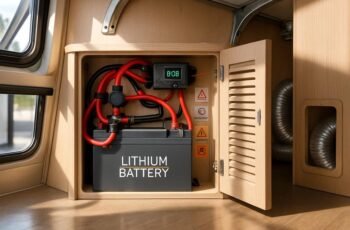
We approach golf cart lithium battery safety with a clear, methodical plan we share with you. We’ll follow manufacturer-approved chargers, keep the area cool and dry, and disconnect after a full charge. Regular inspections, clean, dry terminals, and calibrated sensors guide our actions. We lock charging zones and isolate any suspect units. We’ll perform quick pre-ride checks and report any incidents to build safer practices—but there’s more we should consider before we proceed.
Key Takeaways
- Use manufacturer-approved chargers and settings, charging in a cool, dry area away from flammables, and disconnect after full charge.
- Perform regular visual and diagnostic checks for swelling, leaks, cracks, loose terminals, and temperature hotspots.
- Monitor capacity, resting voltage, and discharge to ensure performance stays above 80% of rated capacity.
- Isolate suspect units promptly, cool them safely, and report incidents to trained safety staff with proper containment.
- Maintain logs of safety checks, drills, and debriefs to drive continuous improvement in charging, storage, and on-course safety.
Why Lithium Batteries Are Safer for Golf Carts (And What That Means for You)
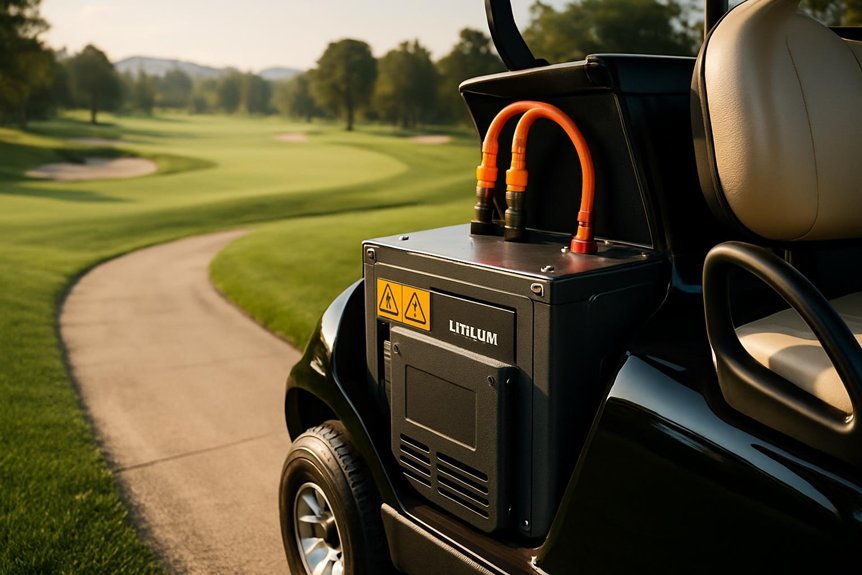
Lithium batteries are safer for golf carts primarily because they’re more thermally stable and have built-in protections that prevent runaway overheating. We approach this topic with care, detailing how improved chemistry, battery management, and protective circuitry reduce risk during operation. When we talk about safety, our focus is on robust safety protocols that address charging, storage, and usage. These protocols minimize exposure to extreme temperatures, overcharges, and mechanical damage, creating predictable performance in varied conditions. We also consider environmental impact, emphasizing responsible sourcing, recycling, and minimized leakage or contamination risks compared with alternatives. By adopting standardized procedures and trained handling, we help ensure consistent, safer outcomes for riders and maintenance teams alike. In short, safer dynamics stem from design, monitoring, and disciplined practices.
Inspecting Lithium Golf Cart Battery Health: Signs, Tests, and Thresholds
We start with clear visual checks for battery health, noting any discoloration, swelling, or leakage as early warning signs. We’ll perform capacity and charge tests to verify that each cell and the pack meet expected performance, and we’ll compare results against manufacturer thresholds. If any indicator falls outside the safe range, we act promptly to replace or service the affected cells before use.
Visual Battery Health Indicators
Visual battery health indicators provide a quick, non-invasive way to spot issues before they escalate. We inspect our packs for clear visual indicators of trouble: swollen cells, cracked casings, loose terminals, and corrosive residue around connections. We document color changes in vent caps or electrolyte staining, which can signal leakage or overheating. We monitor case temperature with non-contact sensors during routine use, noting any persistent hotspots. We look for aging signals like faded labels, electrolyte crust, or softened pack edges, all of which warrant closer evaluation. We prioritize consistent cleanliness, tight connections, and dry, odorless environments, since contaminants mask subtle faults. If anything abnormal appears, we pause operation and pursue professional assessment rather than guessing. Regular visual checks reduce risk and support responsible maintenance.
Capacity and Charge Tests
A practical capacity and charge test begins with a controlled baseline: we fully charge the pack to a confirmed voltage and record the resting state, then discharge at a specified rate to determine usable capacity and efficiency. We perform both capacity tests and discharge tests to quantify energy retention and performance under load, ensuring consistency with safety protocols. We document voltage, current, time, and ambient conditions, then compare results to manufacturer specs and previous tests. This process highlights degradation patterns and helps flag anomalies early. Table below guides our steps and data points, keeping us precise and focused.
| Step | Key Data |
|---|---|
| 1 | Initial voltage, resting current |
| 2 | Charge end voltage, time to full |
Thresholds for Replacement
How do we determine when a lithium golf cart battery should be replaced? We establish clear thresholds based on capacity, internal resistance, and temperature behavior. First, compare current capacity to baseline; if discharge capacity falls below 80% of rated, plan replacement or major service. Next, monitor internal resistance; a rise beyond 1.5–2 times the original value signals aging and potential heat risk. Third, observe voltage sag under load; sharp, persistent drops indicate degraded cells. Temperature patterns matter: sustained higher surface temps during normal use point to imbalance or parasitic loss. We require consistent results from multiple tests over several cycles before replacing. Document dates, readings, and conditions, and follow manufacturer guidelines for safety cutoffs. Prioritize cautious handling to prevent thermal events or electrolyte exposure.
Safe Charging Steps and Storage Guidelines for Lithium Packs
What steps should we take to guarantee safe charging and storage of lithium packs? We approach this methodically, with clear procedures and strict adherence to safety guidelines. Our focus is consistent safe charging and reliable storage guidelines that minimize risk and prolong pack life.
- Use manufacturer-approved chargers and settings for safe charging
- Charge in a cool, dry area away from flammable materials
- Disconnect after full charge and store at recommended voltage and temperature
- Inspect packs regularly for damage, swelling, or leaks
Adopt a routine: never charge unattended for long periods, keep cables intact, and follow labeling precisely. By following these storage guidelines and charging steps, we protect users, equipment, and the course, reducing risk and ensuring dependable performance.
Preventing Fires, Leaks, and Thermal Incidents on the Course
To prevent fires, leaks, and thermal incidents on the course, we implement strict, proactive controls across charging, storage, and use; our approach centers on early detection, proper handling, and rapid response. We monitor battery temperatures, voltages, and cell health with calibrated sensors, and we enforce locked, ventilated charging zones away from course landscaping and public activity. Procedures require isolation of any suspect unit, immediate cooling with approved methods, and incident reporting to on-site safety leads. We limit access to trained staff, perform routine audits, and synchronize playlists of safety drills with course operations. We respect the rhythm of the day, including hot dog vendors, ensuring traffic patterns don’t impede response time. Our goal is consistent, verifiable risk reduction during every round.
Handling, Transport, and On-Course Emergency Steps for Lithium Batteries
We’ll cover how to handle lithium batteries safely, including proper lifting, storage, and inspection before transport. If an issue arises on the course, we’ll outline clear on-site steps to isolate, assess, and summon help while preserving safety. We’ll also discuss transport considerations to prevent damage and ensure ready access to emergency equipment.
Handling Lithium Batteries Safely
Is it possible to prevent a lithium battery incident on the course by planning ahead and acting quickly? Yes. We, as stewards of safety, implement clear handling protocols that minimize risk during every phase: storage, transport, and on‑course use. Our approach is disciplined, repeatable, and aligned with a security policy and branding strategy that emphasize responsible care. We remain vigilant for signs of damage, heat, or swelling, and we know when to isolate and report.
- Inspect batteries before each ride, noting any deformities or unusual warmth
- Use approved containers and tusing tethers during transport
- Keep charging areas ventilated, dry, and away from flammable materials
- Immediately distance gear and alert teammates if a concern arises
On-Course Emergency Steps
On the course, quick, deliberate steps protect players and teammates when a lithium battery issue arises. We follow clear on-course communication to alert players, staff, and maintenance, then initiate emergency response protocols without delay. First, assess visible damage from a safe distance, avoiding pressure or puncture; if safe, move the cart away from spectators and heat sources. Next, isolate power by stopping the system and removing the key, then disconnecting the battery pack if trained and authorized. Contain any leakage using non-flammable absorbent materials, and keep water or moisture away. Transport requires a rigid, fire-resistant container and a labeled incident report. Debrief with the team and document actions for future reference, reinforcing emergency response protocols for every round.
Myths vs. Reality: Common Misconceptions About Lithium Golf Cart Batteries
Addressing common myths about lithium golf cart batteries helps prevent dangerous assumptions and costly mistakes: for example, more capacity doesn’t always mean better safety, and charging habits dramatically impact both performance and longevity. We, as safety stewards, separate myths from reality to protect people and equipment. Misconceptions persist about heat, charging, and cycle life, but battery safety myths crumble under careful testing and data. By focusing on proven practices, we minimize risks and extend battery life, delivering reliable performance.
- More capacity equals longer life only if thermal limits are respected
- Fast charging always speeds up wear and reduces safety margins
- Any moisture exposure is catastrophic, all lithium chemistries handle some ingress
- Off-brand packs are inherently unsafe for golf carts
Quick Pre-Ride Safety Checks You Can Perform Every Time
Before every ride, we perform a quick, deliberate safety check to catch issues early. We start with a visual inspection: exterior casing intact, no cracks, wear signs, or corrosion at terminals. Next, we verify battery connection is secure, free of looseness, and the clamps are tight without over-tightening. We listen for unusual sounds at power-up and ensure no hot spots appear on the pack, cables, or connectors. We confirm charger and battery gauge readings align with manufacturer specs, and that red/green indicators show normal status. We wipe away any moisture or dirt from terminals before use. We test the power switch, ensure headlamps and signals function, and confirm braking and steering feel stable. This routine minimizes surprises and boosts overall safety.
Frequently Asked Questions
How Long Do Lithium Golf Cart Batteries Typically Last?
We typically see lithium golf cart batteries last 3–5 years with proper lifecycle maintenance and careful charging etiquette; we monitor performance, schedule preventative checks, and follow manufacturer guidelines to maximize longevity while prioritizing safety and reliability for our readers.
Can Lithium Batteries Be Overcharged Safely?
Overcharging isn’t safe. We must avoid it, as overcharging risks and thermal runaway concerns threaten battery life and safety. We’ll monitor voltage, use proper chargers, and shut down if temperatures spike, guiding you with calm, precise precautions.
Do Lithium Packs Require Special Disposal?
We do require special disposal for lithium packs. We follow disposal regulations and seek recycling options, coordinating with local e-waste programs. We handle them safely, label clearly, and document every step for compliance and environmental protection.
Are Lithium Batteries Safe in Extreme Temperatures?
Yes, lithium batteries aren’t safe in extreme temperatures; hot weather degrades, and cold storage can impede performance. We monitor temps closely, follow safe charging, keep them within rated ranges, and insist on proper ventilation for safe operation.
What Signs Show a Failing Lithium Golf Cart Battery?
Here are the signs of degradation we’ve seen: reduced capacity, faster discharge, voltage sag under load, swelling, and unusual heat. Look for charging anomalies, erratic cycles, and frequent recharges indicating a failing lithium golf cart battery. Stay vigilant with inspections.
Conclusion
We’ve walked the course of caution together, reader. Like a reliable caddie, safety guides our grip, steadying every connection and check. When we respect voltages, store properly, and monitor temps, we smooth rough terrain into predictable greens. If a warning flag rises, we pause, isolate, and reassess before proceeding. In this rhythm of vigilance, safety isn’t a momentary rule—but the quiet, constant motion that keeps our game, and our community, secure.