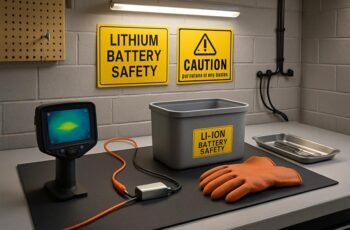
We understand motorcycle lithium batteries demand vigilance, precise handling, and disciplined procedures. We’ll outline red flags, comparing safe chemistries, and the right way to install, charge, maintain, and store batteries on or off the bike. We’ll document temperatures, charging behavior, and storage conditions to spot trends early. If alarms trigger or anomalies appear, we’ll isolate the pack and follow established protocols before seeking professional assessment. The next steps will set our plan into action.
Key Takeaways
- Regularly inspect for swelling, heat, odor, corrosion, or loose connections and document temperatures and charging behavior.
- Isolate and quarantine packs showing signs of thermal risk; disengage power and follow safety protocols.
- Prefer Li-ion or LiPo with proven chemistry, integrated BMS, proper venting, and safe charging practices.
- Follow installation steps: disconnect negative, verify polarity, secure connections, route wires away from heat and moving parts.
- Maintain logs of temperatures, charging parameters, maintenance actions, and follow emergency procedures if alerts arise.
Watch for Lithium Battery Safety Red Flags
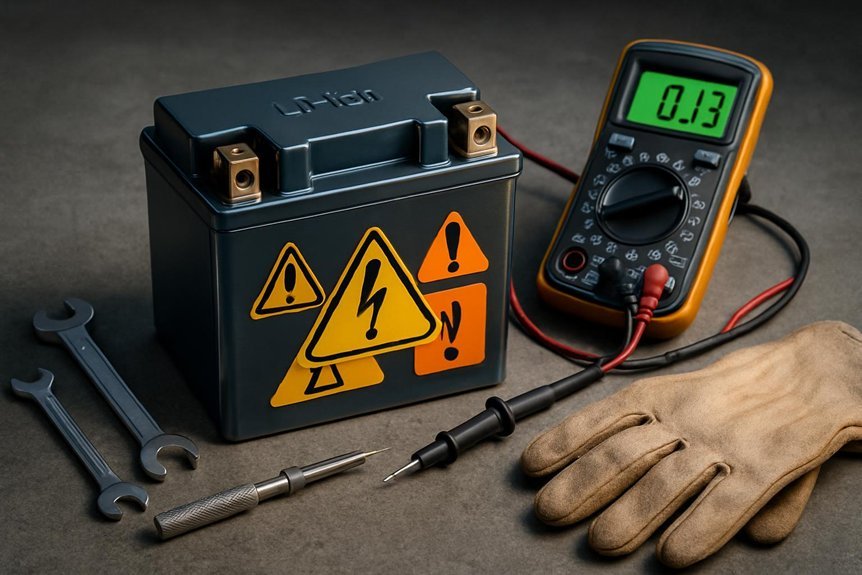
Red flags can appear quickly with lithium batteries, so we stay vigilant and act fast. We monitor for unusual swelling, heat, or odor, and we don’t ignore abnormal discharge patterns. Any puffiness, deformation, or surface cracking signals stress that could escalate. We document observed temperatures and charging behavior to identify trends, not isolated incidents. We assess electrical connections for looseness or corrosion, which can create resistance and heat buildup. We keep a close eye on charging currents, voltage deviations, and signs of rapid self-discharge. Ignition risk rises when temperatures climb or insulation degrades, so we quarantine suspect packs and consult safety protocols. Thermal runaway remains a critical concern; if any signs appear, we disengage power, isolate the battery, and pursue professional assessment.
How to Pick a Safe Battery: Li-ion vs LiPo
Choosing a safe battery starts with understanding the two main lithium options in motorcycles: Li-ion and LiPo. We compare tech weight and chem stability to guide selection. Li-ion delivers higher energy density and consistent voltage, but can suffer thermal runaway if compromised. LiPo offers flexible form factors and lower weight, yet often calls for stricter handling and tougher protection to maintain chem stability. We evaluate body, balance, and casing to minimize risk. In practice, we favor cells with proven chemistry, integrated BMS, and proper venting. Consider bike draw, climate, and charging habits to align with safety margins.
| Category | Li-ion Strengths | LiPo Considerations |
|---|---|---|
| Weight/Size | Higher energy density | Super lightweight, flexible |
| Stability | Uniform chemistry | Sensitive to puncture/overcharge |
| Protection | Mature BMS options | Requires robust enclosure |
Install and Connect Safely on Your Motorcycle
When installing a motorcycle lithium battery, we start by confirming the right type and rating for your bike, then proceed with careful preparation and secure connections. Our approach emphasizes installation safety and disciplined steps over quick fixes. Begin by disconnecting the negative terminal, verify polarity, and inspect for corrosion or damaged cables. Fit the battery snugly in the compartment, using correct spacers and vibration seals to prevent movement. Connect the positive terminal first, then the negative, ensuring clean, snug terminations and no pinched wires. Avoid metallic tools across terminals to prevent shorts. Double-check all leads for secure routing away from heat sources and moving parts. After installation, test ignition, confirm indicator lights, and listen for abnormal noises. Remaining vigilant about connection hazards protects both rider and bike.
Charge, Maintain, and Store Lithium Batteries Safely
To charge, maintain, and store lithium batteries safely, we follow a disciplined, stepwise approach that prioritizes electrical integrity and thermal stability. We begin with proper chargers, matching voltage and current to the battery’s specification, and avoid daisy-chaining devices. Next, we monitor for signs of heat, swelling, or unusual discharge, logging times and temperatures to detect drift. Regular battery maintenance means cleaning terminals, inspecting cables, and replacing damaged components before any ride. Storage is cool, dry, and partially charged, with protections against moisture and short circuits. We disconnect when not in use and keep away from flammables. Fire prevention rests on diligent handling, correct charging practices, and immediate action if anomalies appear, reducing risk while preserving performance.
Responding to Alerts, Faults, and Emergencies
Responding to alerts, faults, and emergencies is the next step after setting up safe charging, maintenance, and storage. We monitor safety indicators closely and act promptly when signals appear. When alerts surface, we verify the source, document times, and isolate the battery if needed to prevent escalation. For faults, we distinguish between reversible faults and critical failures, applying fault handling steps that minimize harm and preserve components. In emergencies, we initiate established procedures, summon help if necessary, and communicate clearly about location and status. Red flags include rapid temperature rise, swelling, emitting odors, or abnormal voltage readings. We follow emergency procedures firmly, including safe shutoff, disconnect, and safe disposal guidance as required, ensuring everyone stays informed and protected.
Frequently Asked Questions
How Do Lithium Batteries Fail Without Obvious Signs?
We fail subtly through hidden degradation, with failure modes evolving unseen until sudden capacity loss or thermal events; warning signs may be absent until it’s too late, so we monitor voltage, temperature, and current continuously to prevent disasters.
Can Lithium Batteries Be Recycled Safely After Use?
Yes, we recycle lithium batteries safely, following strict standards. We handle packaging, disassembly, and transport with care, prioritizing recycling safety and minimizing environmental impact; we assess risks, segregate materials, and partner with certified reclamation facilities.
Do Motorcycle Chargers Affect Battery Longevity Long-Term?
We can say yes: motorcycle chargers can affect battery longevity long-term if charging safety and charging behavior aren’t managed. We monitor temperature, avoid overcharging, and use proper chargers to minimize risk and maximize cycle life.
What Insurance Implications Come With Lithium Battery Fires?
We’ll caution mildly: lithium fires affect insurance implications, liability coverage, and premium adjustments. We assess risk, share documentation, coordinate with insurers, and implement monitoring. We’ll inform you of coverage limits, exclusions, and steps to mitigate liability exposure.
Are There Non-Technical Signs of Impending Battery Failure?
Yes. We notice non technical signs like swelling, unusual heat, odd odor, or rapid discharge. When these imply impending failure, we stop riding, inspect promptly, and replace the battery to minimize fire risk and safety hazards.
Conclusion
We stay vigilant, following our safety checklist with every ride and every charge. If we spot swelling, unusual heat, or strange odors, we pause, document, and isolate the battery until we’ve assessed the risk. We choose safe chemistries with proper BMS and venting, install correctly, and use matched chargers. We maintain logs, store properly, and sever any questionable connections. In emergencies, we isolate, follow our protocols, and seek professional assessment—clear status, clear location, like a lighthouse in fog.