Like a clockwork system, we rely on lithium batteries with care. We’ll help you pick the right chemistry and size, use compatible chargers, and set safe charging windows. We’ll stay vigilant about heat, moisture, and damage, store upright in a cool, dry place, and label with charge state and date. Stay with us as we outline practical steps, so you understand the risks and what to do if something goes wrong.
Key Takeaways
- Use only compatible chargers and devices designed for your battery chemistry to prevent overcharge or mismatch.
- Avoid exposing batteries to extreme heat, moisture, or physical damage; store upright and in nonconductive containers when transporting.
- Monitor for swelling, leakage, or odor; discontinue use and move to a safe area if signs appear.
- Follow proper charging windows and avoid deep discharges; disconnect once a full charge is reached and don’t oversize packs for devices.
- Dispose or recycle through approved programs; never throw batteries in regular trash and keep records of collection dates and locations.
How Lithium Batteries Work and Why Safe Use Matters
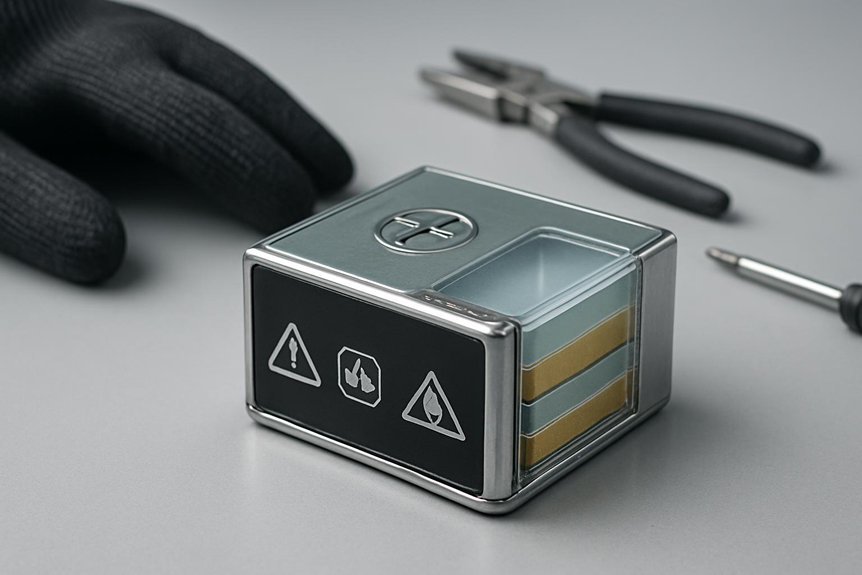
Lithium batteries store energy in chemical reactions between lithium ions and the electrolyte, and they deliver power when those reactions move electrons through a circuit. We explain this to you so you know what’s happening inside your device. In short, electrons flow from the negative to the positive electrode via the external circuit, while ions shuttle through the electrolyte, balancing charge. This internal choreography creates usable voltage and current. Safe use matters because overheating, short circuits, or overcharging can disrupt this balance, degrade chemistry, or cause failures. We emphasize proper charging, compatible hardware, and environment controls. Choosing carbon neutral options and ethical sourcing supports responsible manufacturing and long-term reliability. With clear, careful handling, you’ll enjoy predictable performance while protecting people and the planet.
Choosing and Storing the Right Battery: Chemistry, Size, Environment
Choosing the right lithium battery starts with matching chemistry to your device and use, then confirming the size and capacity fit for how you’ll power it. We’ll outline safe storage by environment, temperature, and handling, so you can prevent degradation and hazards before storage. If you share your device and conditions, we’ll help you pick the best chemistry, size, and storage plan for reliable, safe operation.
Battery Chemistry Basics
Selecting the right battery starts with matching chemistry to your device, then sizing it for usage and storage conditions. We focus on chemistry basics to guide safe choices and prevent damage. Primary chemistries—lithium iron phosphate, lithium cobalt oxide, and lithium manganese—offer different voltage ranges, cycle life, and thermal behavior; knowing these helps avoid mismatches with supplies and chargers. We’ll keep explanations practical: how the chemistry determines stability, charging windows, and safe temperatures. Address common chemistry myths, such as infinite cycles or universal voltage rules, and debunk them with clear limits. We also note voltage tricks that can mislead readers into improper selection or unsafe charging. By aligning chemistry to the device and environment, we build a safer baseline for future sizing decisions and storage practices.
Size and Capacity Picks
Ever wondered how to pick the right size and capacity while keeping safety front and center? We approach this by aligning battery chemistry, load needs, and environment. First, estimate expected runtime and peak currents, then match capacity to avoid deep discharges that stress cells. Choose a size that tolerates voltage sag under high load without overheating. Consider long term voltage stability to prevent performance drop over time. For portable devices, prioritize packing density—more energy per liter or kilogram means fewer modules and simpler management. Assess cycle life and replacement cost; higher capacity often means longer intervals between swaps, reducing handling risk. Finally, verify compatibility with chargers and protective circuitry to maintain safe operating voltage ranges during use and storage.
Safe Storage Practices
When storing batteries, we prioritize chemistry, size, and environment to prevent hazards and preserve performance. We first choose the right chemistry for the application, avoiding mixups that can cause voltage mismatch or thermal runaway. Next, we match size and form factor to our devices, preventing physical damage and accidental shorting. Environment matters: store at moderate temperatures, away from heat sources, moisture, and metal clutter, and keep terminals protected. Use proper storage labeling to indicate charge state, date purchased, and safety notes, so anyone handling them understands risks and limits. Regularly audit shelves, remove damaged cells, and rotate stock to minimize aging effects. We address safety myths directly, clarifying what actually reduces risk and what doesn’t, then implement a simple, repeatable routine.
Lithium Battery Handling 101: Packaging, Transport, and Physical Safety
How do we handle lithium batteries safely from the start? We approach handling basics with clear steps. Inspect for damage, leakage, or swelling before any move, and keep units upright. Use secure, nonconductive containers during transport and ensure exposure to heat, moisture, and metal objects is minimized. We practice careful bagging, labeling, and routing to avoid unnecessary shocks or drops. Our packaging guidelines emphasize separation of compatible cells and packaging materials, plus restraints to prevent movement. When loading, cushion against vibration and cover terminals with insulating caps. We maintain a written checklist for each shipment, verify compatibility, and follow local regulations. In daily use, handle gently, store upright, and monitor for signs of distress. Safety remains our constant priority.
Charging Best Practices: Safe Charging and Battery Management
Charging safely isn’t optional—it’s essential. We approach charging as a routine, not a guesswork task. Start with manufacturer-recommended chargers and compatible cables, and avoid cheap, third-party gear. Always inspect cords and ports for damage before connection, and unplug if you notice heat, buzzing, or smell. Maintain a consistent charging environment: dry, well-ventilated, away from flammables, with stable temperatures. Use scheduled, partial charging where practical to extend pack life, and avoid constantly full charges or complete discharges. Monitor status indicators, log charge cycles, and implement battery management practices that align with your device specifications. Never leave charging unattended for long periods. Practice charging safety daily, and integrate battery management into your routine to protect performance and safety.
Temperature and Venting: Recognizing Thermal Risk Signs
Are you alert to the signs of overheating? We monitor temperature and function closely, because a rising temperature is our first warning. If we notice a sharp or sustained temperature trend, we pause use and inspect for probable causes, such as improper charging, mechanical damage, or overload. Look for venting indicators like hissing sounds, visible steam, or odor; these mean pressure is mounting and failure could be imminent. Keep devices in a well-ventilated area and away from flammables. Do not ignore slight warmth after heavy use; document the pattern and compare it to normal baselines. When risk signs appear, we isolate the battery, discontinue charging, and seek professional assessment. Systematic checks and prompt action keep safety at the core.
Long-Term Storage: Preventing Degradation and Hazards
When storing lithium batteries for the long term, we keep the risk of degradation and hazards low by following a disciplined regimen. We choose a cool, dry environment and avoid temperature swings that accelerate aging. Keep packs at a partial charge, typically around 40–60%, to preserve shelf stability and minimize stress. Store away from heat sources, moisture, and direct sunlight, using a sealed container with a desiccant to manage storage humidity. Inspect connectors and seals periodically, replacing damaged packs rather than attempting risky repairs. Use original packaging or a purpose-built case to reduce vibration and physical damage. Record dates and approximate remaining life to guide refresh or replacement decisions, ensuring safe handling during transfer and storage. Regularly review safety reminders before any re‑use.
Disposal and Recycling: What to Do With Used Batteries
We’ll cover safe disposal methods first, choosing options that prevent leaks, fires, and environmental harm. We’ll outline practical steps for recycling, including where to drop off batteries and how to prepare them for transport. We’ll keep the process clear, systematic, and safety-focused so you know exactly what to do with used lithium batteries.
Safe Disposal Methods
Disposing of used lithium batteries requires a careful, systematic approach to prevent fires, leaks, or environmental harm. We’ll outline practical steps you can follow. First, never dispose of them with regular trash—check local collection programs or household hazardous waste sites. If you can’t access a program, store used cells in nonconductive, vented containers until you can drop them off, avoiding metal contact. Transport them in a cool, dry place, away from heat sources and flammable materials. When deciding where to recycle, consider battery economics and how programs value and reuse materials, guiding smarter choices. Stay aware of consumer trends toward safer disposal, and keep a log of pickup dates and locations. Following these practices protects people, property, and the environment while supporting responsible stewardship.
Recycling Options and Steps
Recycling options for used lithium batteries are practical and straightforward when you follow a clear plan. We begin by collecting all spent cells in a nonmetallic container, avoiding metal contact, punctures, or crushing. Next, we segregate by chemistry and capacity, labeling labels for easy handling. We then locate approved recycling options near you, prioritizing facilities with lithium-specific processing and safety credentials. If a return program exists, use prepaid packaging to ship responsibly, following each carrier’s guidelines. For on-site handling, store batteries in a cool, dry place away from flammables until transport. Never incinerate or dismantle packs at home. Finally, ask about steps to recycle at the facility: pre-screening, disassembly, and material recovery. By adhering to these steps, we reduce hazards and maximize recoverable materials.
What to Do If a Battery Malfunctions or Burns
If a lithium battery malfunctions or starts to burn, act quickly and calmly to minimize harm. We’ll guide you step by step, focusing on safety and prevention. First, if you can do so without risk, disconnect the device or remove the battery with insulated gloves. Do not touch the terminals. Move the object away from people, pets, and flammable materials. Use a class D or ABC fire extinguisher on small fires, or smother with a non-flammable, nonconductive blanket if needed; water only for non‑lithium fires and if you’re trained. Ventilate the area and evacuate if fumes persist. Afterward, place the battery in a fireproof container and seal it. For activities like alternative sport or kitchen gadgets, replace damaged cells and inspect charging habits to prevent recurrence.
Frequently Asked Questions
How Can I Identify Counterfeit Lithium Batteries?
We can identify counterfeit lithium batteries by thorough inspection of labeling and build quality: check for tampered seals and clear warnings; compare with genuine specs, and use identification techniques like weight, dimensions, and serial checks, noting counterfeit indicators.
Can Lithium Batteries Be Recycled at Home Safely?
We can’t recycle lithium batteries at home safely; proper disposal protects home safety and the environment. We’ll follow a systematic plan: store upright, avoid punctures, seal terminals, and use local recycling centers to minimize environmental impact.
Do All Lithium Batteries Require a Battery Management System?
Yes, not all lithium batteries require a BMS, but many do. We check safety certifications, compare Battery chemistry differences, and follow Charging fundamentals, Storage guidelines, and Fire hazards precautions, while noting Recycling options and related safety considerations.
What Signs Indicate a Damaged or Swollen Lithium Battery?
Yes, swollen or damaged packs show blooming indicators like puffing, vent leakage, or abnormal warmth. We’ll perform visual inspection guidelines, stop use immediately, isolate, and pursue professional testing to prevent hazards. Stay systematic, safety-focused, and careful.
Are There Age-Related Risks With Used Lithium Batteries?
Age-related risks exist with used lithium batteries, we explain clearly and proceed cautiously, reader. We follow safety precautions, inspect for swelling or damage, avoid charging beyond limits, replace aging packs, and maintain proper storage and handling routines.
Conclusion
We’re committed to your safety as we power everyday life. By choosing the right chemistry and size, handling batteries carefully, and following charging windows, you reduce risk and prolong life. Inspect regularly, store upright in a cool, dry place, and transport in nonconductive containers. If something goes wrong, act calmly, use appropriate extinguishing methods, and seek help. Think of safety as a lighthouse guiding every charge—steady, clear, and always there to keep you upright on the journey.