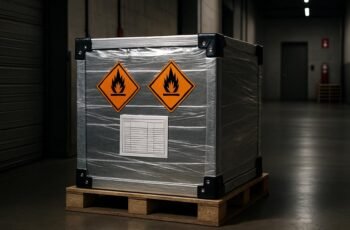
We must understand that lithium battery fires arise from internal heating, defects, damage, or overcharging, triggering rapid heat and gas buildup that can propagate through modules and packs. Our guide details causes, containment, and responses across devices, EVs, and large storage. We’ll outline disciplined monitoring, safe handling, and robust design practices. We’ll identify preventive steps and rapid actions, but the stakes demand precision in execution—and a path forward that keeps systems safer, even as questions remain about tougher scenarios.
Key Takeaways
- Fires start from internal heating and thermal runaway; early detection of swelling, temperature rise, and charging anomalies is crucial.
- Prevent and respond with disciplined charging, isolated charging, proper ventilation, cooling, and prompt disposal of compromised packs.
- EVs require robust thermal management, intact battery integrity, and accurate sourcing of safety data to counter myths and misperceptions.
- Large-scale storage demands rapid detection, quick isolation, effective cooling, and thorough fire modeling to manage cascading risks.
- After-action reviews should document root causes, corrective actions, accountable parties, and updated training to prevent recurrence.
What Causes Lithium Battery Fires and How They Spread
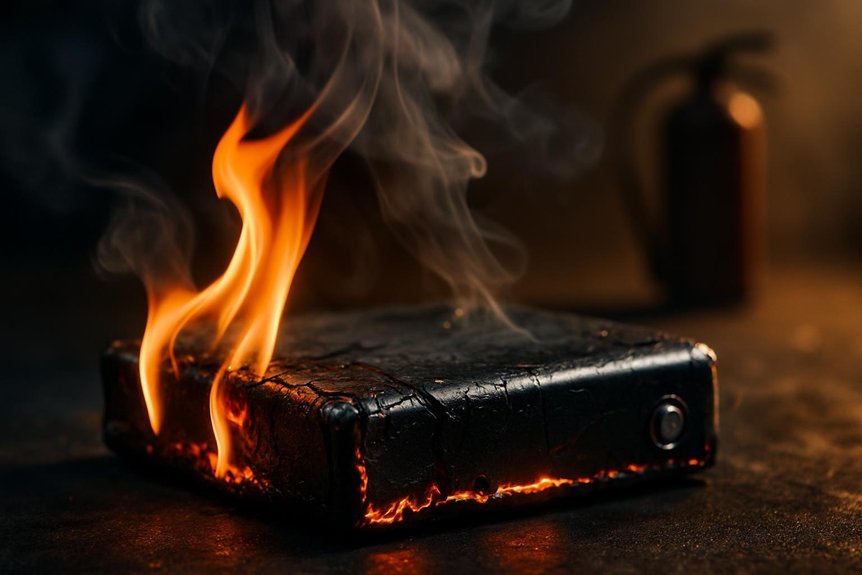
Lithium battery fires originate when a cell’s internal components heat up beyond design limits, triggering thermal runaway that releases heat, gas, and flame. We examine how this process begins and how it propagates. Localized overheating can result from manufacturing flaws, physical damage, overcharging, or internal short circuits. Once thermal runaway starts, exothermic reactions accelerate across adjacent cells, producing heat and gas that elevate pressures and drive propagation through modules and packs. We emphasize that containment relies on rapid cooling, proper isolation, and venting strategies to minimize fuel sources. Implementing Fire safe storage practices helps limit initiation and spread, while Thermal runaway prevention measures—like thermal monitoring, cell sorting, and appropriate charging protocols—reduce likelihood of ignition and subsequent chain reactions. Vigilant handling and clear safety procedures protect personnel and facilities.
Risk Scenarios: Everyday Devices, EVs, and Large Storage
We consider the risk scenarios across everyday devices, EVs, and large-scale storage to frame our safety priorities. We’ll outline how small-format devices, high-energy vehicles, and grid-scale systems each present unique thermal and propagation hazards. By identifying these distinctions, we can target prevention, monitoring, and response measures effectively.
Everyday Device Risks
Even everyday devices can pose fire risks when lithium batteries fail, so we focus on scenarios common to handheld electronics, household gadgets, EVs, and large storage systems. We present practical, safety‑driven guidance for common failure modes in consumer devices, emphasizing early detection and risk containment. We monitor for abnormal temperatures, swelling, and swelling indicators that precede thermal runaway, and we outline immediate containment steps to minimize damage. Our approach requires acknowledging charging anomalies, such as rapid heat rise, unexpected cessation of charging, or fluctuating voltage, and responding with established procedures. We implement disciplined usage, regular inspections, and proper charging practices to maintain device cooldown periods and prevent overheating. Clear labeling, isolated charging, and prompt disposal of compromised packs are essential to reduce incident likelihood.
Electric Vehicle Hazards
Electric vehicle hazards encompass a range of failure modes that can trigger rapid heat buildup, thermal runaway, or structural compromise, affecting the vehicle, its high‑energy battery pack, and supporting infrastructure. We approach EV risk with a disciplined lens: anticipate electrical faults, thermal coupling, and mechanical damage that can propagate beyond the pack. We address battery myths and charging myths head‑on, separating folklore from validated data, and emphasize robust safety margins in design, operation, and response. The table highlights critical factors affecting EV safety, from contact integrity to thermal management performance.
| Factor | Safety implication |
|---|---|
| Battery integrity | Limits internal shorting risk |
| Charging practices | Reduces thermal stress |
Large-Scale Storage Dangers
Large-scale storage introduces risk scenarios that span everyday devices, passenger EVs, and utility-scale systems, where scale amplifies heat, gas evolution, and structural stress. We recognize that batch failures can trigger cascading events, overwhelming ventilation, suppression, and containment. Our focus is on robust design, rigorous fire modeling, and response planning that accounts for thermal runaway propagation across modules and racks. We emphasize rapid detection, isolation, and cooling strategies to protect occupants and infrastructure. Fire risk psychology informs how crews interpret alarms, prioritize actions, and communicate under pressure, preventing reactive, panic-driven decisions. We also address recycling misconceptions that can hamper safe decommissioning, urging verified processes for battery collection, labeling, and material recovery. Precise protocols reduce ignition probability and containment challenges in large-scale installations.
Immediate Response to a Lithium Battery Fire
We must contain immediate fire hazards, isolating the area and preventing spread. We’ll evacuate and establish a safe perimeter, keeping bystanders away and guiding them to a designated assembly point. We’ll call emergency responders now, providing location, scope, and any known battery types or hazards for rapid, specialized response.
Contain Immediate Fire Hazards
How do we quickly isolate and limit exposure to an ongoing lithium battery fire? We act to contain heat, fumes, and spread by implementing immediate controls. First, we establish a perimeter, suppress ignition sources, and segregate damaged packs from intact ones. We deploy appropriate extinguishing methods for metal fires when required, using Class D or water-based fog as directed by fire safety guidance, and we coordinate with responders for ventilation to minimize oxygen-driven burn. We perform a rapid risk assessment to identify vulnerable materials and nearby occupants, then initiate temporary barriers and shutoffs to reduce exposure. We emphasize consumer education, conveying clear containment steps and contact procedures, so nonessential personnel avoid interference. Our focus remains precise, documented, and aligned with incident safety protocols.
Evacuate And Isolate Area
Immediate containment flows into area evacuation and isolation as the first responders secure the scene. We act decisively to protect personnel and bystanders, prioritizing evacuation timing and clear perimeter isolation to prevent spread and access. Our objective is a controlled, orderly withdrawal that preserves life and limits exposure.
- Establish and maintain a defined exclusion zone, marking the perimeter with visible barriers and authoritative warnings.
- Communicate evacuation routes to all nearby occupants, confirming everyone has left the hazard area.
- Suspend nonessential activities adjacent to the scene while monitoring air quality and heat emission.
- Retrieve critical information from site maps and battery labels to inform subsequent actions without delaying removal.
Call Emergency Responders Now
When a lithium battery fire is detected, call emergency responders immediately to establish professional, rapid containment and minimize exposure. We’ll notify local fire services and provide location details, battery type, and quantity to enable rapid triage and mobilization. Prior to arrival, we maintain clear access routes and designate a safe staging area to support emergency access. Once responders arrive, we share known hazards, including venting, thermal runaway indicators, and potential secondary fires. We coordinate actions to avoid interference, ensuring uninterrupted water or foam application as directed. Maintain open lines of communication for updates on battery condition and cooling needs. Through precise responder coordination, we reduce risk to personnel and property while enabling swift, controlled extinction.
Safe Containment and Extinguishing Options by Fire Type
What fire types threaten lithium battery incidents, and how we respond must be type-specific to be effective. We prioritize safe containment and appropriate extinguishing options to limit spread and heat release, then isolate the source safely.
- Aqueous-based water spray for vented packs on non-thermal runaway, controlling temperature rise.
- Class B/C dry chemical or CO2 for small localized fires with minimal re-ignition risk.
- Specialty PAM or aqueous film-forming foam where electrolyte exposure is imminent, reducing re-ignition potential.
- Inert gas or water mist for energized packs, maintaining crowd safety while suppressing flame.
We assess battery condition, enclosure, and ventilation first, then apply tailored extinguishing options, reinforcing safe containment throughout.
Daily Prevention Habits to Reduce Lithium Battery Fire Risk
Daily prevention habits are our first line of defense against lithium battery fires, and we should implement them consistently to minimize risk. We, as practitioners, perform routine inspections for signs of damage, swelling, or leakage, and remove compromised cells from service immediately. We store and transport only within manufacturer specs, avoiding mixed chemistries and unauthorized charging sources. We enforce charging limits, monitor ambient temperatures, and use UL-listed protection devices to minimize overcurrent events. We document batch-level histories to trace anomalies quickly, enabling timely interventions. We emphasize responsible disposal and coordinated recycling logistics, ensuring end-of-life care aligns with safety and regulatory requirements. We train personnel on emergency shutdowns, safe handling procedures, and reporting protocols to sustain a relentlessly cautious culture.
Safe Storage and Handling by Battery Size and Type
How should we approach safe storage and handling by battery size and type to minimize risk? We adapt practices to each form factor, chemistry, and capacity, ensuring compartmental separation, venting considerations, and temperature control. We follow storage guidelines that match manufacturer specs, reduce exposure to moisture, and prevent cross-contact between incompatible cells. We minimize idle stacking, avoid physical stress, and verify packaging integrity before deployment. Our approach emphasizes proactive labeling, tracking, and documentation to enable rapid response if anomalies arise.
- Separate compartments by size and chemistry, with dedicated containment
- Maintain stable environmental conditions, guarding against excessive heat and humidity
- Enforce moisture-aware handling, using dry tools and appropriate PPE
- Inspect seals, vents, and packaging for integrity, replacing compromised units promptly
Maintenance and Inspection of Compartments and Chargers
Maintenance and inspection of compartments and chargers must be systematic and documented. We conduct regular maintenance checks to verify enclosure integrity, venting paths, and insulation ratings, ensuring no signs of corrosion, damage, or oil/chemical residues. We confirm compartment doors seal properly, interlocks engage, and any thermal sensors function within calibrated ranges. For chargers, we inspect cords, plugs, and mounting hardware for wear, and we verify mounting surfaces remain stable under operational loads. We document serial numbers, duty cycles, and observed anomalies, linking findings to corrective actions. We assess charger compatibility with battery chemistries, enforcing manufacturer-recommended settings and avoiding improvised configurations. We implement access controls and housekeeping to reduce accidental interference. Any deviation triggers containment procedures and expert review before reuse.
After-Action Recovery and Lessons Learned
We conduct a structured after-action review to capture what happened, why it happened, and how we’ll prevent recurrence. Our focus is on after action reporting, stakeholder accountability, and tangible improvements. We summarize events with objective data, assess containment, and verify safety transitions after incident closure. We identify gaps, assign corrective actions, and document responsible parties with deadlines. Communication remains clear, concise, and factual to support future readiness.
We conduct a structured after-action review to capture what happened, why it happened, and how we’ll prevent recurrence.
1) Immediate containment actions and timelines, including heat management and ventilation status.
2) Root-cause analysis methods, data sources used, and responsible personnel.
3) Corrective action ownership, implementation steps, and verification milestones.
4) Lessons learned dissemination, training updates, and performance metrics to measure recurrence risk.
Frequently Asked Questions
How Do I Recognize a Thermal Runaway Early in a Device?
We recognize thermal runaway early by observing rapid heat rise, swelling, venting, smoke, or odor; monitor cell temperatures; heed warning signs, stop use, isolate battery, and inspect for misleading branding or hidden defects before reuse.
Can Consumer Devices Spontaneously Combust During Charging?
Yes, consumer devices can spontaneously combust during charging, though it’s rare. We’re focused on minimizing charging hazards, implementing proper temperature monitoring, aging assessments, and safe charging practices to detect abnormalities early and prevent ignition.
What Are the Best Practices After a Battery Fire Incident?
We’ll implement best practices aftercare safety first: isolate the area, evacuate if needed, ventilate, extinguish with appropriate Class D or water as advised, document incident details, contact authorities, and review procedures to prevent recurrence.
Do Lithium Batteries Pose Hidden Risks in Recycled Materials?
Yes, lithium batteries pose hidden hazards in recycled materials, including hidden hazards and material contamination risks. We assess feedstock rigorously, implement screening protocols, and maintain traceability to prevent contamination and ensure safe, compliant recycling processes for all streams.
How Do I Dispose of Damaged Batteries Safely?
Disposal methods for damaged batteries require immediate action: don’t handle them directly; use non-conductive gloves and a rigid container, then contact local hazardous waste or fire department for safe disposal and emergency response guidance. We’re here to help.
Conclusion
We’re equipped to manage lithium battery risks with vigilance, rapid cooling, and clear isolation protocols that prevent spread. Some might argue the pace of detection isn’t fast enough; we counter that with continuous monitoring, cross-checks, and drills that shorten reaction times. By reinforcing design margins, labeling, and end-of-life handling, we minimize incidents. Together, we maintain safer devices, vehicles, and storage systems, and we learn from every incident to drive ongoing improvement in safety practices.