Consider a city case where a municipal fleet swaps to certified Li-ion recyclers, improving material recovery by 20% while reducing transport emissions. We’ll map proximity, processing methods, and audit cadence to confirm compliance and traceability. Our approach prioritizes deactivation to prevent thermal events, chemistry-based sorting, and transparent intake-to-ship ledgers. Join us as we weigh safety prep, containment for drop-off, and environmental metrics to choose a trusted recycler and close the loop responsibly.
Key Takeaways
- Identify nearby licensed Li-ion battery recyclers with transparent safety guidelines and verifiable certifications.
- Compare options by proximity, capacity, scheduling, and documented intake-to-ship processes.
- Prepare batteries for drop-off: proper storage, leak checks, non-conductive containment, and clear transport documents.
- Understand center operations: intake by chemistry/health, deactivation measures, and material recovery steps.
- Verify trustworthiness via credentials, audits, incident history, and third-party verifications before selecting a facility.
Find Local Li-ion Battery Recyclers: Quick Start Guide
Finding local Li-ion battery recyclers is simpler than you might think. We map options by proximity, reliability, and compliance, then compare based on measurable criteria. Our approach centers on Find local facilities with transparent licensing and up‑to‑date safety guidelines. We verify credibility by cross‑checking certifications, incidents, and remediation records, so you can pick trustworthy partners with confidence. To keep processes efficient, we outline clear recycling logistics, including scheduling, capacity, and documentation requirements. Before you drop off, we cover prep batteries steps—cool, dry storage, intact packaging, and leak checks—to minimize risk and improve throughput. We also summarize drop off procedures, outlining arrival, labeling, and staff guidance. This data‑driven checklist helps you act responsibly, legally, and sustainably.
What Happens to Li-ion Batteries at Recycle Centers
What actually happens to Li-ion batteries at recycle centers? We’ll walk you through the process with data-backed clarity, focusing on safety, compliance, and sustainability. Our goal is to reduce waste, recover materials, and minimize environmental impact.
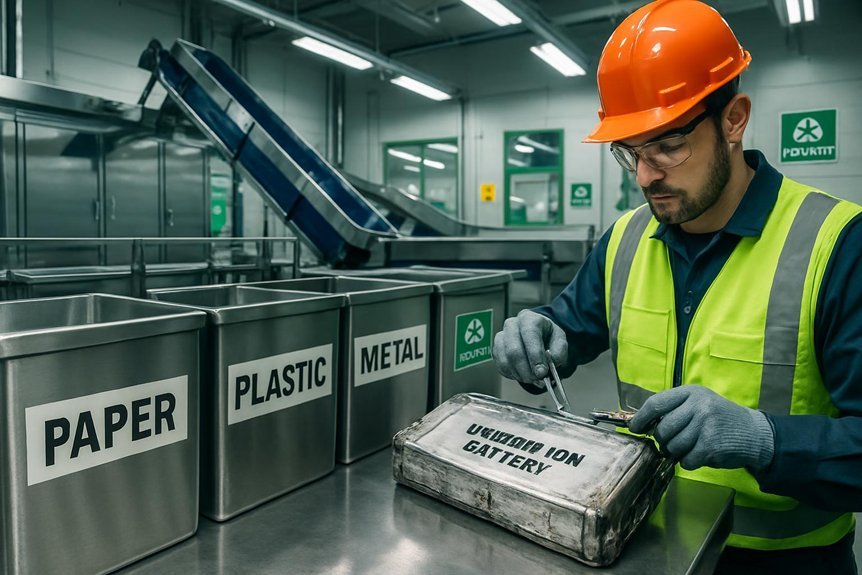
- Intake and sorting: batteries are categorized by chemistry, size, and state of health to ensure safe handling.
- Deactivation and containment: cells are isolated, discharged, and stored in vetted containment to prevent thermal events.
- Material recovery: metals (lithium, cobalt, nickel) and plastics are extracted through established center processes linked to circular economy goals.
- Compliance and reporting: strict traceability, chain-of-custody records, and regulatory audits ensure accountability.
How to Assess and Pick a Trustworthy Recycler
How can we confidently choose a recycler you can trust? We evaluate options with data, transparency, and a clear commitment to sustainability. Look for verifiable trustworthy credentials, demonstrated traceability, and strong compliance standards. We compare certifications, permits, and audited practices, then cross-check public reports and incident histories. Our due diligence includes third-party verifications, environmental performance metrics, and a transparent intake-to-ship ledger. We favor recyclers that publish annual sustainability and compliance summaries, plus incident-response plans. To illustrate, consider the table below:
| Key factor | What to verify |
|---|---|
| Trustworthy credentials | Certifications, licenses, and peer-reviewed endorsements |
| Compliance standards | Regulatory alignment, audits, and reporting cadence |
Safety and Prep: Ready-to-Drop Battery Handling
Before handling any battery drop-off, we prioritize safety and strict prep steps to minimize risk and maximize sustainability outcomes. Our approach combines data-driven checks with clear, compliant protocols to ensure ambient safety and transport compliance. We guide teams to assess packaging integrity, container labeling, and environmental conditions before any transfer.
Before handling any battery drop-off, we prioritize safety, prep steps, and compliant transport to safeguard people and the planet.
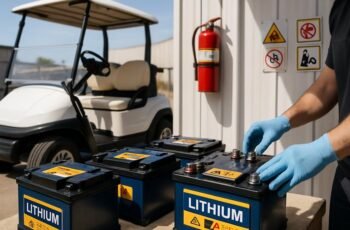
- Verify battery condition and enclosure seals to prevent leaks.
- Use approved, non-conductive containment aligned with regulations.
- Tag shipments with required ambient safety indicators and transport documents.
- Conduct a pre-transfer risk assessment and document findings for traceability.
This prep reduces incidents, supports compliant routes, and preserves material value. By adhering to these standards, we protect workers, communities, and the environment while accelerating responsible recycling outcomes.
Locate, Verify, and Start: Your Local Recycling Path
Where can you start when you’re ready to recycle lithium-ion batteries locally, and how do you ensure every step aligns with safety and sustainability goals? We begin by locate recycling options that meet regulatory standards and clearly disclose processing methods. We compare facility certifications, take note of transport requirements, and verify compliance records to minimize risk. Our approach emphasizes data-driven decision making: cross-check rejection rates, diversion to recycling streams, and energy efficiency metrics for each site. We map nearby programs, drop-off quotas, and appointment efficiencies to reduce time and hazards. As a next step, verify trustworthiness by reviewing third-party audits, incident histories, and customer feedback. Finally, start with a simple, documented plan that aligns collection, storage, and transfer with established safety protocols.
Frequently Asked Questions
Do Recyclers Accept Damaged or Swollen Li-Ion Batteries?
We do accept damaged and swollen batteries, but only if they’re presented under our damaged acceptance protocol and with proper containment; we prioritize safe swollen battery handling, regulatory compliance, and data-driven sustainability across every disposal pathway.
How Long Does the Recycling Process Take Locally?
Recycling locally can take weeks to months, and timelines vary by facility and workflow. We’re tracking steady, data-driven progress; slow processing and hazardous handling requirements affect schedules, but we prioritize compliance, safety, and sustainability in every step.
Are There Any Fees for Drop-Off or Pickup?
Yes, there can be drop off fees and pickup fees, though amounts vary by facility. We analyze data on costs, aiming for transparency, sustainability, and compliance, so you can plan economically while supporting responsible recycling.
What Certifications Should a Recycler Hold?
We require certifications needed, safety training, and ongoing compliance to ensure safe operations, traceable results, and responsible stewardship. We document, audit, and certify as we operate, align with standards, and share data-driven outcomes with readers like you.
Can I Recycle Used Battery Packs From Electronics?
We can recycle used battery packs from electronics, and we commit to safe electronics disposal practices. Our data-driven, sustainability-focused approach ensures compliance while we recycle battery packs and minimize environmental impact through rigorous recycling protocols.
Conclusion
We close the loop together, steering toward a cleaner horizon. Picture a warehouse lit by careful metrics: intake-to-ship ledgers glowing, traceable batches, and audits that hum with transparency. Our local choice essays data into safety—deactivation first, chemistry sorting second, metals reclaimed with minimal waste. When we drop off, we see containment seals, documented transport rules, and real-time reporting cadence. In this circular economy, informed picks protect people, communities, and the planet—one trusted recycler at a time.