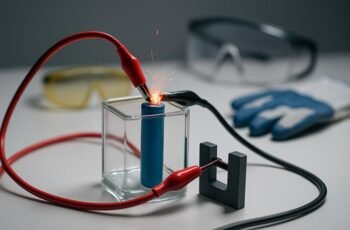
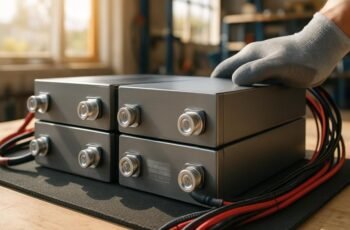
We notice a coincidence: swollen LiPo packs often look fine yet hide dangerous chemistry underneath. We must approach this with precise, cautious handling and clear, technical reasoning as we assess risks, containment needs, and disposal steps. If a cell swells, its internal gas buildup can vent, ignite, or trigger thermal runaway, so we’ll isolate it, avoid punctures, and seek certified disposal. There’s more to contemplate before we act, and the stakes are real enough to warrant careful planning.
Key Takeaways
- Swollen LiPo batteries indicate internal gas buildup from failed cells and can vent, ignite, or escalate to thermal runaway if mishandled.
- Early signs include swelling, warmth, irregular venting, and soft spots; document timing and conditions for action.
- Do not puncture, puncture, or compress swollen packs; move to a ventilated area and disconnect power safely.
- Use non-conductive, fire-resistant containment and follow disposal guidance from manufacturers or hazardous-waste guidelines.
- Implement proper charging, storage, and incident reporting to prevent swelling and enable rapid containment if it occurs.
Lipo Swelling and Safety: What It Means and What to Do First
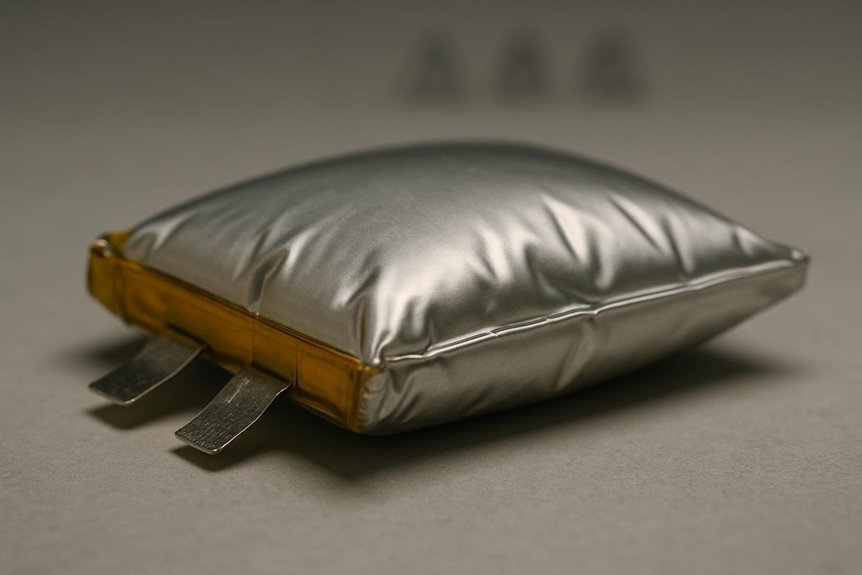
Swollen LiPo batteries indicate internal gas generation from failed cells, a condition that can lead to venting, fire, or thermal runaway if mishandled. We recognize this as a safety-critical concern and address it with deliberate steps. When swelling is observed, we pause operations and isolate the pack from shared equipment, avoiding puncture or further mechanical stress. We assess surroundings for ignition sources and ensure ventilation before any handling. Our response emphasizes proper containment, not improvisation; if uncertain, we discontinue use and consult formal guidelines through safety training, maintaining documented procedures. We communicate the incident to relevant personnel and implement immediate controls to prevent recurrence. We distinguish unrelated topic distractions from technical actions, preserving focus on safe practices. This approach reinforces disciplined behavior, clear responsibilities, and consistent adherence to safety training across teams.
Early Warning Signs of a Swollen Battery You Shouldn’T Ignore
We’ll outline the early warning indicators, the typical causes of swelling, and the safe steps you should take in response. We’ll highlight telltale signs like gradual or sudden shape changes, unusual warmth, and irregular venting, so you can act promptly. We’ll also map straightforward safety actions—power down, isolate the pack, and seek expert assessment to prevent further risk.
Early Warning Indicators
Early warning indicators are the first, essential signals that a swollen lithium-polymer battery may pose a safety risk. We monitor for subtle deviations that precede rapid failure, focusing on swelling mechanics and venting tendencies. Rapid heat buildup, audible fizz, and surface bulging suggest internal gas formation and pressure change. Persistent soft spots or irregular, asymmetric swelling indicate uneven internal stress that can compromise seals. We assess venting readiness by noting any episodic odor or hissing—early venting is a critical safety cue. Use a structured approach to track these signs, documenting timing, magnitude, and environment. Table below highlights key indicators and actions to take.
| Indicator | Observation | Action |
|---|---|---|
| swelling mechanics | visible distortion | isolate device |
| temperature anomaly | unexpected heat rise | discontinue use |
| venting cues | hissing/odor | evacuate and replace |
Causes Of Swelling
Swelling in lithium-polymer batteries arises from gas buildup inside the cell, and recognizing the underlying causes helps us prioritize safety actions sooner. We note that swollen risks stem from internal gas generation due to adverse lithium chemistry processes, including SEI instability, electrolyte decomposition, and plating. Overcharge, high-temperature operation, and mechanical damage accelerate gas formation, while prolonged storage in elevated voltage or stress conditions compounds buildup. Design weaknesses in laminated cells trap gases, preventing venting and increasing internal pressure. Manufacturing defects, improper charging, and age-related degradation further contribute to swelling progression. In early detection, we correlate physical signs with internal chemistry shifts, so we act before thresholds are exceeded. Understanding these factors keeps us vigilant, guiding monitoring, handling, and proactive maintenance to minimize danger.
Safe Response Steps
What early warning signs should you heed to prevent danger from a swollen lithium-polymer battery? We observe swelling behavior, abnormal warm sensations, rapid deformation, and irregular performance. Recognize these indicators as potential swelling causes that warrant immediate action. Our focus is on safe response steps that minimize risk while preserving device integrity and personal safety.
- Stop use and disconnect power
- Move to a safe, ventilated area away from flammables
- Do not pierce, press, or attempt to puncture the cell
- Contact manufacturer guidance or local hazardous-waste procedures for disposal
We emphasize charging safety: avoid charging swollen packs, use approved chargers only, and monitor temperatures closely. If in doubt, err on the side of cautious disposal and professional inspection.
Why Swelling Happens: the Chemistry and Physical Changes in Lipo Packs
We examine the chemical reactions inside LiPo packs that produce gas buildup, leading to swelling. We then describe the physical expansion mechanisms, including separator and electrode layer expansion and gas imprint on the pouch. This discussion helps readers understand why swelling occurs and what signals we should monitor to prevent hazardous outcomes.
Chemical Reactions Inside Packs
How do chemical reactions inside lithium-polymer packs drive swelling, and what physical changes accompany these processes? We, as readers, look at how electrolyte decomposition and electrode reactions generate gas, electrolyte breakdown by heat, and gas buildup that increases internal pressure. These swelling mechanics push the pouch outward, deform separators, and raise internal temperature, potentially accelerating further reactions. Containment becomes compromised, and microcracks may form, risking electrolyte leakage and short circuits. We emphasize that early signs are subtle, requiring vigilance and proper handling to avoid escalation into thermal runaway.
- Gas generation from electrolyte decomposition
- Pressure rise and pouch distention
- Ion-mobility changes altering internal resistance
- Precautions to prevent escalation toward failure
Physical Expansion Mechanisms
Why does swelling occur in Li-po packs, and what specific physical expansion mechanisms drive it? We, the authors, explain that gas generation, gas pressure buildup, and electrode–electrolyte interactions cause internal pressure rise. Mechanical delamination, separator creep, and pouch deformation accompany phase changes in the electrolyte, binder, and cathode/anode interfaces. Heating accelerates gas evolution and solvent loss, while moisture ingress alters electrochemical balance, increasing expansion. Structural constraints from packaging convert volumetric growth into visible bulge. We emphasize safe handling, noting that aesthetic design and marketing copy often obscure risk; our focus remains technical and factual to support informed decisions.
| Area | Key Mechanism |
|---|---|
| Gas evolution | Gas generation from electrolyte reactions |
| Delamination | Layer separation under pressure |
| Separator creep | Mechanical relaxation under heat |
| Pouch distortion | External material expansion under internal pressure |
Safe Handling Steps When You Suspect a Swollen Lipo
Swollen LiPo batteries pose a serious fire and chemical hazard, so we take immediate, careful steps when you suspect one. We act to minimize risk through controlled handling and clear protocols, reflecting safety training and liability concerns. We keep team members informed, assess the situation, and avoid dangerous improvisation.
Swollen LiPo batteries require immediate, careful handling and clear protocols to minimize risk and protect people.
- Isolate the device and disconnect power without crushing the cell
- Avoid puncturing, crushing, or applying pressure; use non-conductive tools
- Place the item in a nonflammable, ventilated area, away from flammables
- Notify appropriate personnel and document the incident for liability and safety training records
We emphasize deliberate, trained responses, verify conditions, and follow established procedures to protect people and property.
Immediate Containment and Proper Storage for Swollen Cells
We must act quickly and safely when a swollen Li-polymer cell is found, implementing immediate containment steps to prevent thermal runaway and minimize risk. We’ll outline clear safe storage guidelines, including isolating the cell in non-flammable, fire-resistant containment and keeping it away from heat, sparks, and other batteries. Finally, we’ll cover disposal and disposal safety to ensure proper handling and compliant recovery of damaged cells.
Emergency Containment Steps
Immediate containment and safe storage are essential when handling swollen lithium-polymer cells. We act carefully to prevent escalation, document conditions, and follow established procedures. Our approach emphasizes policy compliance and user education to ensure consistent responses across teams.
- Isolate the cell from heat sources and other batteries, using non-conductive containment.
- Transfer to a fire-resistant, labeled container and notify appropriate responders.
- Power down devices remotely if safe, disconnect from circuits, and avoid puncturing the pouch.
- Record time, lot numbers, observed behavior, and storage location for audit trails.
We communicate clearly with stakeholders, review procedures for accuracy, and reinforce training to minimize risk and liability.
Safe Storage Guidelines
To ensure safe storage, we promptly place swollen cells in a non-conductive, fire-resistant container labeled for hazardous lithium-polymer batteries and separate them from heat sources and other devices. We then document the incident, note the cell’s condition, and isolate it from electrical systems to prevent shorting or thermal runaway triggers. Our approach emphasizes minimizing mechanical stress, avoiding puncture or crushing, and maintaining a cool, dry environment away from direct sunlight. We monitor for signs of venting or swelling progression and implement rapid response protocols if leakage occurs. Swelling mechanics guide our containment methods, ensuring a stable barrier around the battery and preventing contact with flammable materials. Recognizing storage hazards helps us prevent secondary ignition, emissions, or environmental contamination.
Disposal and Disposal Safety
How should we handle disposal and disposal safety for swollen cells right away, ensuring containment and proper storage? We address immediate steps with care, prioritizing containment, cooling, and transfer to appropriate containment options, while limiting risk of thermal runaway. By understanding swelling dynamics, we act decisively to minimize exposure and environmental impact, emphasizing safe storage until final disposal. Our approach combines protocol, training, and proper materials to support safe handling.
- Isolate the swollen cell in a nonconductive, vent- and impact-resistant container
- Cool with calm, controlled airflow; avoid water immersion or abuse
- Label clearly and document state of charge, age, and observed swelling
- Transfer to a certified hazardous-w waste recipient or battery recycling facility only
Safer Charging and Usage Practices to Prevent Swelling
Charging and usage practices are our first line of defense against swollen lithium-polymer batteries; by following safer protocols, we minimize internal stress and limit gas buildup. We emphasize controlled charging rates, using manufacturer-specified chargers, and avoiding high-temperature environments during operation. Regular inspection for bubble formation, swelling, or venting is essential, and we should retire cells showing any signs promptly. Storage keeps cells at moderate state-of-charge, ideally between 30% and 60%, in cool, ventilated spaces. Avoid deep discharges and stacking or puncturing packs. We acknowledge swelling myths and charging myths, countering them with data-driven checks and conservative limits. Our guidance centers on monitoring, standardized charging, and careful handling, ensuring safe performance and reducing risk of catastrophic failure without compromising usability or performance.
How Pouch Size and Format Affect Swelling Risk
Pouch size and format directly influence swelling risk by shaping heat dissipation, internal pressure build-up, and gas management paths within the cell. We examine how geometry interacts with lithium chemistry and pack architecture to determine failure modes, not aesthetics. Variations in surface area-to-volume ratio alter cooling efficiency, while laminated layers affect gas permeability and venting behavior. Material choices within the pouch influence mechanical stiffness and electrolyte stability, impacting gas generation rates. Our focus is on understanding constraints that limit swelling potential during operation and aging.
- Heat transfer efficiency tied to pouch surface area
- Lamination thickness and electrode stacking impact pressure dynamics
- Permeability and vent design relate to gas management
- Pack architecture dictates thermal pathways and redundancy
Inspecting Devices and Packs Safely Without Tipping the Balance
We inspect devices and packs with careful, methodical steps to avoid triggering swelling or venting. We approach each case with clear checklists, minimizing handling that could stress the cells. Our protocol emphasizes controlled environments, proper PPE, and gentle, steady movements to prevent mechanical damage. We assess packs for signs of irreversible chemistry, such as abnormal odors, heat, or deformation, and we document any anomalies before proceeding. We prioritize noninvasive tests and avoid aggressive disassembly unless absolutely necessary and safe. We consider storage hazards like elevated temperatures, humidity, and exposure to conductive media, ensuring they don’t worsen risk. Our aim is to preserve integrity while gathering reliable data, reducing the chance of unintended reactions and maintaining predictable behavior under standard operating conditions.
When and How to Dispose of Swollen Lipo Batteries
What’s the right time to dispose of swollen LiPo batteries, and how should we do it safely? We’ll outline careful steps that minimize risk while addressing disposal options. First, isolate the pack from use and place it on non-flammable material. Do not puncture or grind the cell; damage can trigger thermal runaway. Contact local battery recycling facilities or hazardous-waste programs to ensure proper handling. If disposal is urgent, follow jurisdictional guidance for safe transport and chambered containment, avoiding household trash or incineration. Never mix swollen packs with intact ones; separate and label for drop-off. Finally, recognize unrelated topic ideas and random speculation as mere context, not guidance, and rely on certified recommendations instead. – Use certified recycler – Transport per local rules – Avoid water – Do not discharge yourself
Building a Prevention-And-Response Plan for Lipo Safety
How can we establish a robust prevention-and-response plan for LiPo safety that minimizes risk and accelerates effective action? We, as a team, outline protocols that translate technical rigor into actionable steps for every stakeholder. Our plan prioritizes failure-mode analysis, standardized inspections, and traceable incident reporting, so we can detect early signs of swelling and electrolyte leakage. We define roles, escalation thresholds, and containment procedures that respect containment venting limits and fire-suppressant compatibility. Training emphasizes recognition, isolation, and rapid notification, while drills test coordination with emergency services. We balance technical jargon with accessible guidance, ensuring staff understand data-driven priorities and risk-reduction metrics. Our messaging blends technical precision with marketing language to foster commitment, trust, and continuous improvement across sourcing, maintenance, and user education.
Frequently Asked Questions
Can Swollen Lipo Batteries Explode Without Warning?
Yes, swollen LiPo batteries can fail explosively, sometimes without obvious warning signs. We must monitor swelling, avoid punctures, and follow safety precautions; if swelling occurs, isolate the device, remove power, and dispose of it per local guidelines.
Do All Lipo Packs Swell at the Same Rate?
We don’t all swell at the same rate; some packs remain stable longer than others, though every swollen pack signals a safety risk and warrants cautious handling. We’ll treat this as an unrelated topic with utmost care.
Is It Safe to Recharge a Swollen Battery Briefly?
Yes, do not recharge a swollen battery; it’s unsafe. We warn against it due to danger signs like venting or heat. We’ll handle it with extreme caution, using safe handling practices and proper disposal procedures.
How Do Temperature and Humidity Affect Swelling Risk?
Temperature effects and humidity effects both influence swelling risk: higher temperatures accelerate gas generation, while humidity can worsen moisture-related degradation. We caution readers that elevated temps and damp environments increase swelling likelihood, requiring careful storage, monitoring, and safe handling.
Can Non-Professionals Safely Puncture a Swollen Pack?
We can’t advise non-professionals to puncture a swollen li-po battery; it’s unsafe. Do not puncture—seek professional disposal. We’re emphasizing li po safety and swelling indicators, and recommend immediate isolation, ventilation, and proper emergency procedures.
Conclusion
We safeguard ourselves by treating swelling as a warning flare, a lighthouse in a fog of chemistry. When we see puffed cells, we seal the harbor, isolate the fleet, and call in trained hands. The battery becomes a stubborn knot—don’t pry, don’t puncture, don’t gamble. Proper storage, careful handling, and certified disposal are our anchors. By planning, testing, and communicating, we keep the current flowing safely, and our operations stay on steady, controlled course.