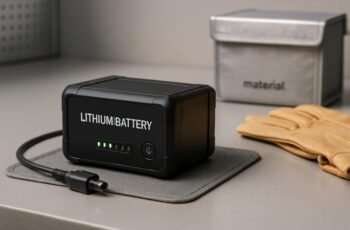
Did you know that improper handling can raise EV battery fire risk by up to 10x under certain conditions? We’re here to establish a practical, standards-driven safety approach that covers baseline health checks, safe charging, and clear emergency procedures. We’ll share disciplined routines, traceability from raw materials to packs, and fault-tolerant designs that help our teams act decisively. If you want to reduce risk and coordinate with responders and partners, there’s a clear path we can follow together—let’s take the next step.
Key Takeaways
- Establish a safety baseline with stable chemistries, fault-tolerant design, rigorous tests, and traceability from materials to modules.
- Follow safe charging practices using properly rated gear, monitored temperatures, SOC controls, and documented charging sessions.
- Implement emergency response protocols: evacuate, avoid water on lithium fires unless trained, alert responders, and monitor for re-ignition.
- Conduct daily safety checklists: inspect enclosures, interlocks, seals, and charging equipment; document anomalies and drills.
- Monitor battery health indicators, manage rapid drain, schedule diagnostics, and coordinate end-of-life disposal with compliant transport.
What Makes EV Battery Safety Baseline
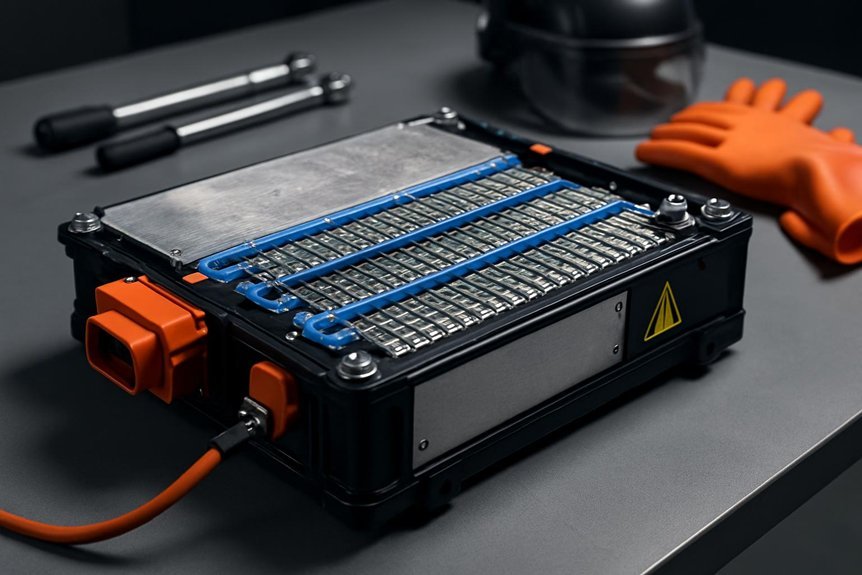
What establishes the safety baseline for EV batteries? We, as a safety-focused guide, set clear expectations for robust design, testing, and documentation. Our baseline begins with rigorous battery chemistry assessment, selecting chemistries with known stability and proven thermal behavior, and continues through conservative energy margins, fault-tolerant architectures, and clear fault-logging protocols. We insist on standardized cell and pack safety tests, including abuse, thermal, vibration, and electrical stress, under realistic duty cycles. We require traceability from raw materials to finished modules, reducing manufacturing risks and enabling root-cause analysis if issues arise. We emphasize controlled manufacturing practices, quality gates, and supplier qualifications to prevent defects. In practice, this baseline supports safe operation, predictable performance, and compliant safety documentation for every EV.
Check Battery Health Before Every Drive
Before every drive, we verify battery health to prevent hidden risks and maximize reliability. We begin with a quick exterior check for damage, then confirm display indicators show normal status. We review state of charge, ensuring it’s within recommended ranges for the day’s trip and ambient conditions. We assess battery health indicators for any signs of battery degradation, and note anomalies if present. We verify cooling System performance and temperature is within safe operating limits, since overheating can accelerate degradation. We practice charging etiquette by avoiding frequent full discharges and using appropriate charging speeds for the current temperature and state of health. If readings deviate from baseline, we postpone nonessential trips and consult service if needed. Safety-minded routines protect reliability and longevity.
EV Battery Safety: Safe Charging Habits and Gear
We’ll cover safe charging practices, proper charging gear, and reliable monitoring with clear, standards-aligned guidance. We’ll explain how to choose chargers, use rated cables and connectors, and set alerts that help you respond quickly to any irregularities. Our aim is practical, safety-focused steps you can apply immediately to protect your battery and equipment.
Safe Charging Practices
Charging an EV battery safely isn’t optional—it’s essential for performance, longevity, and protection of people and property. We approach safe charging practices with practical rigor, referencing standards, clear procedures, and verified data. Our guidance centers on disciplined, consistent routines that minimize risk while optimizing battery health. EV charging should occur at qualified outlets and with properly rated circuits, and we monitor temperatures, voltages, and state of charge to prevent degradation. We implement battery management strategies that prevent overcharging, manage cell balance, and respect manufacturer guidance. We document charging sessions, use appropriate timing, and avoid improvised connections. We stay current with updates to codes and recommendations, train responders, and communicate risks transparently. By prioritizing safety, efficiency, and reliability, we protect people, property, and vehicles.
Proper Charging Gear
We rely on properly rated charging gear designed for EV batteries and aligned with current standards. Our focus is selecting, inspecting, and using gear that supports safe, consistent charging without compromising safety. We keep to clearly defined safety protocols to reduce risk during every session. When choosing cables, connectors, and inlets, we verify ratings, insulation, and compatibility with the vehicle’s charging port and temperature range. Regular visual checks, firmware updates, and manufacturer guidelines help prevent faults. We store gear away from heat sources and moisture, and never use damaged components. Use a grounded outlet or dedicated circuit, and avoid daisy-chaining adapters. Always document usage, recall any anomalies, and follow established safety protocols for handling, disconnecting, and reconnecting charging gear. This systematic approach minimizes risk and protects battery life.
Monitoring and Alerts
What signs should we watch for to prevent a safety lapse during EV charging, and how do we respond quickly when they appear? We implement continuous monitoring and clear alerts, so hazards are identified early. Our monitoring cadence should be defined by risk level, equipment, and environmental conditions, with higher-frequency checks during charging peaks or fault states. We establish immediate response steps for overheating, unusual smells, or abnormal temperatures, and we separate energized areas to prevent escalation. We rely on function-tested sensors, firmware updates, and compliant safety interlocks to validate circuitry integrity. Documentation emphasizes hazard identification methods, alert thresholds, and escalation paths. Regular drills reinforce expected actions, ensure timely shutoffs, and confirm portable fire suppression readiness. By staying disciplined, we reduce response time and protect people, property, and battery longevity.
Home Storage and Charging Setups for Safety
Are you balancing safety and convenience when setting up home storage and charging for an EV lithium battery? We approach this with practical rigor, ensuring reliable systems and clear standards. Our home storage and charging setup emphasizes risk reduction, proper ventilation, and cooldown protocols. We routinely verify that enclosures, wiring, and breakers meet code requirements, and we favor dedicated circuits for charging. Monitoring remains essential: temperature, moisture, and fault indicators must be visible. We insist on clear labeling and restricted access to charging areas.
Balancing safety and convenience through ventilated, dedicated charging and clear, accessible safety guidance.
- Separate, ventilated storage area for batteries and equipment
- Dedicated charging circuit with appropriate overcurrent protection
- Proper cable management and strain relief
- Accessible emergency shutoff and posted safety guidance
Recognize Warning Signs of Battery Issues
We’ll recognize warning signs that call for immediate attention, so watch for sudden temperature spikes, which can indicate overheating. If you notice an unusual smell or smoke, treat it as a high-priority safety issue and pause charging or driving the vehicle. Rapid battery drain is another red flag that warrants prompt assessment of the pack’s health and charging/integration systems.
Sudden Temperature Spikes
Sudden temperature spikes in an electric vehicle battery are a clear red flag that something is wrong and needs immediate attention. We monitor thermal behavior, understand causes, and act decisively to protect safety and performance. When temperature spikes occur, we follow established protocols to verify ventilation, cooling system function, and electrolyte integrity, avoiding prolonged exposure or driving.
- Rapid heat buildup near modules or pack
- Uneven surface warming during charging or high-load driving
- Audible cooling-system strain or unfamiliar fan noise
- Warning indicators or diagnostic codes confirming thermal fault
We prioritize calibration against standards, document events, and implement corrective actions before risk increases. By maintaining disciplined temperature surveillance and escalation procedures, we minimize thermal runaway potential and safeguard occupants, technicians, and the vehicle’s long-term reliability.
Unusual Smell Or Smoke
Unusual smells or smoke from an electric vehicle battery demand immediate attention and calm, deliberate action. We aren’t guessing when odor or vapor arises; we treat it as a potential thermal event. If you detect a蜂 smell (burnt plastic, sulfur, chemical), stop driving as soon as safely possible and pull over in a safe location. Evacuate passengers and avoid reentry until responders arrive, keeping doors closed to limit air exchange. Do not attempt to extinguish a large lithium battery fire with water; use a Class D or CO2 extinguisher only if trained, and call emergency services. Monitor for signs of re-ignition after cooling, follow manufacturer guidance, and document observations. Avoid unrelated topic chatter or off topic discussion; stay focused on safe, standards-based procedures.
Rapid Battery Drain
Have you noticed a rapid drop in your electric vehicle’s range or a battery gauge that seems to slip faster than normal? We examine rapid drain patterns and what they reveal about battery aging, guiding you toward safer decisions. Recognize that abrupt changes aren’t just inconvenient—they can signal underlying health issues or thermal stress. We respond with methodical checks, adhere to standards, and prioritize risk reduction.
- Sudden range loss during moderate driving
- Unexplained gauge fluctuation with normal charging
- Excessive heat or cold affecting performance
- Frequent charging to full in short cycles
If you see these signs, consult service guidance, avoid aggressive fast charging, and schedule diagnostics promptly. Our focus remains consistent: protect safety, uphold battery aging awareness, and prevent unsafe conditions through informed action.
Emergency Response for EV Battery Fires and Leaks
When an EV battery fires or leaks, we act quickly and deliberately to protect lives, limit equipment damage, and prevent escalation. In these scenarios, our emergency response emphasizes immediate situational assessment, personnel safety, and clear command structure. We prioritize identifying hazards, establishing exclusion zones, and coordinating with fire services trained in battery hazards. For battery fires, we follow suppression methods suitable for lithium chemistries, avoiding water where prohibited and using appropriate extinguents per standards. Hazardous leaks require containment protocols to prevent environmental spread, with barriers and absorbents applied under professional supervision. Communication is continuous: informing responders, facility staff, and occupants of risks and actions. We document response steps, review performance, and adjust procedures to ensure safer, compliant outcomes.
Transport, Disposal, and End-of-Life Considerations
Transport, disposal, and end-of-life handling for EV lithium batteries must be planned with the same rigor used in emergency response. We coordinate with carriers, recyclers, and facilities to ensure compliant transport, safe packaging, and proper documentation. Our focus is EV safety and minimizing risk from battery aging that can change performance during transit. We emphasize traceability, isolation, and secure containment to prevent leaks or short circuits. Disposal strategies prioritize recycling and material recovery, reducing environmental impact and handling hazards. End-of-life decisions rely on standardized procedures, audits, and staff training to uphold safety.
Transport and end-of-life planning for EV batteries with rigorous safety, traceability, and recycling-focused practices.
- Clear packaging and labeling that prevent accidental activation
- Temperature-controlled containment to slow aging effects
- Chain-of-custody records for all transfers
- Verified recycling partners aligned with regulations
Daily Safety Checklist for EV Battery Use
Daily safety starts with a simple, disciplined routine: we begin each day by inspecting the battery and its enclosure for signs of damage, corrosion, or loose connections, and we verify that all safety interlocks and vent caps are intact. We perform a quick check of thermal, electrical, and mechanical seals, noting any abnormal readings or wear. We ensure charging equipment is compliant with the vehicle’s specs and that cables are routed to avoid pinch points. If anomalies appear, we initiate emergency drills and isolate the unit per protocol. We document observations in incident reporting logs, including time, location, and actions taken. This routine reinforces standard practices, reduces risk, and supports rapid containment should concerns arise. Continuous adherence upholds safety and regulatory compliance.
Frequently Asked Questions
How Do Temperature Swings Affect EV Battery Longevity?
Temperature swings reduce EV battery longevity; cold and heat stress accelerate aging. We monitor temperature stability and mitigates cycle impact through thermal management, controlled charging, and adherence to standards—our safety-focused, practical approach protects performance and lifespan.
What Insurance Considerations Cover Battery Damage Risks?
We insure battery damage risks with robust coverage, then we assess risk thoroughly, and we’re practical about safety. Our insurance coverage hinges on documented protection and periodic risk assessment, ensuring standards-driven, rigorous guidance you can trust.
Can I Use Third-Party Fast Chargers Safely at Home?
We can use third party charging at home, but only with proper safety controls. We prioritize home safety, guarantee third party charging meets standards, use approved equipment, monitor for heat, and follow the vehicle and charger guidelines diligently.
How Does Charging Rate Impact Battery Thermal Management?
We’ll explain that higher charging rates raise heat, stressing battery packs; we monitor temps constantly to maintain charging safety and thermal monitoring, adjusting cadence if thresholds approach. Trust our standards-driven approach to protect you and the vehicle.
What Are Legal Disposal Requirements for Damaged Packs?
We must follow legal disposal rules: never unlicensed disposal; treat damaged packs as hazardous waste disposal and handle through licensed facilities. We’ll guide you with practical rigor, safety-focused steps, standards-driven procedures, and unmistakable urgency, friend. And yeah, truly, today.
Conclusion
We’ve shown that EV battery safety isn’t optional—it’s foundational. Rigorous checks, proper charging habits, and ready emergency procedures keep people and property protected. An eye-opening stat: rapid diagnostics and standardized tests can reduce field failures by up to 40%, when followed with disciplined actions. Stay consistent with daily inspections, use approved gear, and document everything. By embracing clear roles, training, and prompt communication, we guard every ride, doorstep, and charging station with proven, standards-driven rigor.