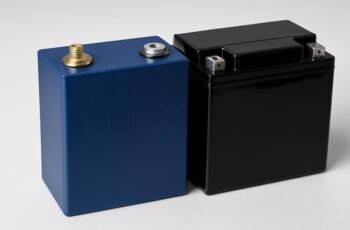
This debate over scooter batteries is arguably the most essential decision an engineer or urban planner can face, with potential impacts on performance, cost, and sustainability. Lithium batteries are often touted as revolutionary, but their true advantages over traditional lead-acid cells deserve closer scrutiny. As we examine composition, lifespan, and environmental effects, you’ll see why this choice could redefine urban mobility—and why understanding the nuances is more crucial than ever.
Key Takeaways
- Lithium batteries offer higher energy density, longer lifespan, and faster charging compared to lead-acid batteries.
- Lead-acid batteries are cheaper upfront but require more maintenance and have a shorter cycle life.
- Lithium batteries are lighter and more compact, improving scooter performance and design flexibility.
- Lead-acid batteries pose environmental and safety risks due to lead toxicity and less eco-friendly recycling.
- Overall, lithium batteries provide better performance and sustainability despite higher initial costs.
How Do Lithium and Lead Acid Batteries Differ in Composition?
Although both lithium and lead acid batteries serve as energy storage solutions, their internal compositions differ considerably, impacting performance and longevity. Lithium batteries rely on advanced battery chemistry involving lithium ions moving between electrodes, which allows for a higher energy density. This results in more stored energy per unit volume, making lithium batteries more efficient for compact applications like scooters. In contrast, lead acid batteries use a lead dioxide cathode and sponge lead anode immersed in sulfuric acid, creating a simpler chemical process with lower energy density. The chemical differences directly influence their performance: lithium batteries offer lighter weight, faster charging, and longer cycle life, while lead acid batteries tend to be heavier and less efficient over time. These fundamental composition distinctions shape their suitability for various uses.
Which Battery Type Offers Better Performance for Scooters?
When evaluating performance for scooter applications, lithium batteries generally outperform lead acid counterparts due to their higher energy density, faster charging capabilities, and longer cycle life. The advanced battery technology in lithium cells allows for a more efficient transfer and storage of energy, resulting in improved power output and range. Higher energy density means more stored energy per unit volume and weight, which directly enhances scooter performance by extending operational distance without increasing battery size. Additionally, lithium batteries support rapid charging, reducing downtime and increasing usability. Overall, the combination of superior energy density and advanced battery technology makes lithium batteries the preferred choice for high-performance scooters, delivering better acceleration, endurance, and efficiency compared to traditional lead acid alternatives.
How Do Lithium and Lead Acid Batteries Compare in Lifespan and Durability?
Lithium batteries typically offer a markedly longer lifespan and greater durability compared to lead acid batteries, owing to their advanced chemistry and construction. They generally endure 2,000–3,000 charge cycles, maintaining capacity better over time. In contrast, lead acid batteries often reach 500–1,000 cycles before significant capacity loss. Their improved lifespan is complemented by enhanced battery safety when manufactured under strict manufacturing standards, reducing risks like thermal runaway. Lithium batteries also resist deep discharges without damage, unlike lead acid types which suffer from sulfation. Durability factors include:
Lithium batteries offer longer life, higher durability, and safer performance with proper manufacturing standards.
- Resistance to vibration and mechanical shocks
- Minimal self-discharge during storage
- Stable performance across temperature ranges
- Consistent output under load
- Longer overall service life
These attributes make lithium batteries more reliable, though manufacturing standards play a critical role in optimizing safety and longevity.
What Are the Cost Implications of Choosing Lithium vs Lead Acid Batteries?
Choosing between lithium and lead acid batteries involves carefully considering their initial costs and long-term financial implications. Lithium batteries typically have higher upfront expenses due to advanced materials and manufacturing, but market trends and technological advancements are driving prices down. Lead acid batteries are more affordable initially but incur higher maintenance and replacement costs over time. The table below summarizes key cost factors:
| Aspect | Lithium Batteries | Lead Acid Batteries |
|---|---|---|
| Initial Cost | Higher | Lower |
| Maintenance & Replacement | Lower over lifespan | Higher due to shorter lifespan |
| Long-term Savings | Potentially more economical over time | Less cost-effective long-term |
Considering these points helps determine the most financially sound choice based on current market trends.
How Do Charging Times and Maintenance Requirements Vary?
Charging times and maintenance requirements considerably influence the overall operational efficiency and cost-effectiveness of scooter batteries. Lithium batteries generally offer faster charging speeds, reducing downtime, whereas lead acid batteries require longer charging periods, impacting operational flow. Maintenance frequency also differs markedly; lithium batteries demand minimal upkeep, mainly periodic checks, while lead acid batteries need regular topping-up of electrolyte levels and terminal cleaning.
- Lithium batteries reach full charge in 2-4 hours, supporting quick turnaround.
- Lead acid batteries often need 8-12 hours to fully charge.
- Lithium batteries have fewer maintenance intervals, reducing labor costs.
- Lead acid batteries require frequent electrolyte level inspections.
- Both types benefit from clean terminals but differ in overall maintenance effort.
These distinctions directly affect operational readiness and ongoing maintenance costs.
Which Battery Is More Environmentally Friendly?
When comparing environmental impacts, we consider factors like recycling and disposal processes, material extraction effects, and the overall lifecycle carbon footprint. Lithium batteries generally have a higher environmental cost during extraction but benefit from longer lifespans and more efficient recycling methods. Conversely, lead-acid batteries involve more hazardous disposal issues and a larger carbon footprint over their lifecycle.
Recycling and Disposal Impact
Although both lithium-ion and lead-acid batteries pose environmental challenges, lithium batteries generally offer a more sustainable disposal profile due to their higher recycling efficiency and the potential to recover valuable materials like lithium, cobalt, and nickel. Lithium recycling methods are advancing, enabling more complete material recovery and reducing waste. Disposal regulations increasingly mandate proper handling, emphasizing environmental safety. Lithium batteries’ lighter composition and complex chemistry necessitate specialized recycling processes, which are more efficient than those for lead-acid batteries. Visualize:
- Automated shredders separating metals
- Thermal treatments extracting critical elements
- Closed-loop recycling systems minimizing waste
- Strict compliance with disposal regulations
- Recovery of high-purity raw materials for reuse
These advancements make lithium batteries environmentally friendlier in disposal, contrasting with the more cumbersome and less efficient lead-acid recycling methods.
Material Extraction Effects
Which battery type imposes fewer environmental burdens during material extraction? Lithium batteries generally have a higher mining impact due to the intensive extraction of lithium, cobalt, and nickel, often involving energy-intensive processes that threaten resource sustainability. Lead acid batteries rely primarily on lead, which is abundant but poses significant environmental risks during mining, including habitat disruption and pollution. While lead extraction can be more established, it still presents challenges to resource sustainability due to the toxicity and difficulty in recycling. Lithium extraction, although potentially less polluting per unit, can cause water shortages and habitat destruction in sensitive areas. Overall, both battery types impact the environment during material extraction, but lithium batteries tend to impose broader concerns related to resource sustainability and mining impact.
Lifecycle Carbon Footprint
Evaluating the lifecycle carbon footprint of scooter batteries reveals notable differences in their overall environmental impact. Lithium-ion batteries generally have a higher initial manufacturing footprint due to energy-intensive processes and resource extraction, impacting their total lifecycle emissions. Conversely, lead-acid batteries involve less energy during manufacturing but pose challenges related to battery safety and recyclability.
- Mining operations for lithium require substantial land and water use, contributing to habitat disruption.
- Manufacturing processes for lithium batteries emit significant greenhouse gases.
- Lead-acid batteries have lower manufacturing emissions but generate hazardous waste.
- Recycling lithium-ion batteries reduces overall emissions but involves complex procedures.
- Lead-acid recycling is more established, though less environmentally friendly when considering material safety.
How Do Weight and Size Impact Scooter Design and Usage?
Weight and size are critical factors in scooter design because they directly influence portability, stability, and overall performance. Heavier batteries, such as lead-acid, require larger battery packaging, which can compromise the scooter’s compactness and ease of transport. Conversely, lithium batteries tend to be lighter and more compact, allowing for more efficient aesthetic integration without sacrificing functionality. The size of the battery impacts the center of gravity, affecting handling and rider safety. Designers must balance these elements to optimize performance while maintaining user convenience. Minimizing weight through battery selection also reduces strain on structural components, improving durability. Ultimately, understanding how weight and size influence battery packaging and aesthetic integration guides manufacturers in creating scooters that are both practical and appealing for diverse usage scenarios.
Which Battery Type Is Better Suited for Different Riding Needs?
Different riding needs demand different battery characteristics to optimize performance and user safety. For short, urban commutes, lithium batteries offer rapid charging, lightweight design, and high energy density, making them ideal. Conversely, lead-acid batteries excel in heavy-duty applications where cost and durability are prioritized over weight. When considering battery installation, the ease of replacing and maintaining the battery can influence long-term usability. For high-performance riding, lithium batteries provide consistent power delivery, while lead-acid models may struggle with capacity fade. User safety is critical; lithium batteries require proper handling and ventilation, whereas lead-acid batteries demand secure placement to prevent leaks. Visualize these differences as:
- Rapid charging in city environments
- Heavy-duty, long-lasting use
- Lightweight design for agility
- Secure battery installation considerations
- Safe handling protocols
Frequently Asked Questions
Are Lithium Batteries Safer Than Lead Acid for Scooter Use?
We believe lithium batteries are safer due to their longer battery lifespan and higher charging efficiency, reducing overheating risks. Their advanced chemistry minimizes hazards, making them a more reliable, safer choice for scooter use compared to traditional lead acid batteries.
How Do Temperature Conditions Affect Each Battery Type’s Performance?
Temperature impacts both batteries substantially; lithium batteries boast superior thermal stability, resisting temperature swings better, while lead acid batteries are highly temperature sensitive, risking performance drops or damage in extreme conditions—making thermal management essential for ideal scooter operation.
Can Lead Acid Batteries Be Recycled More Easily Than Lithium?
We find that lead acid batteries are generally easier to recycle, positively impacting environmental sustainability, though lithium batteries offer longer battery longevity. Both have distinct recycling challenges, but lead acids’ established processes make them more straightforward to repurpose.
Do Lithium Batteries Require Special Storage Conditions?
Lithium batteries require specific storage conditions, such as maintaining a partial charge to optimize battery lifespan and preventing overheating. Proper charging procedures, including avoiding full discharges, are essential to guarantee safety and prolong battery performance over time.
Which Battery Type Performs Better in Cold Weather?
Ever wondered which battery performs better in cold weather? Lithium batteries maintain higher charging efficiency and longer lifespan under low temperatures compared to lead acid, making them more reliable for cold climate scooter usage.
Conclusion
In summary, selecting between lithium and lead-acid batteries depends on specific scooter needs and priorities. For example, a city commuter might favor lithium for its lighter weight and faster charging, enhancing daily use. Conversely, a budget-conscious rider might opt for lead-acid despite its drawbacks. Ultimately, understanding performance, lifespan, and environmental impacts helps us make informed choices, ensuring we select the most suitable battery type to maximize efficiency, durability, and sustainability in our scooter applications.