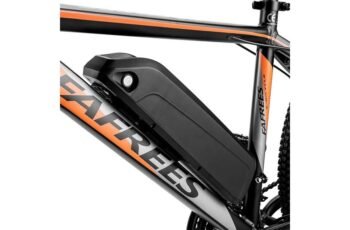
We find that this lithium-ion battery’s built-in BMS helps protect against overcharging and overdischarging, reducing avoidable electrical strain but not preventing normal aging. The pack is rated to retain over 80% capacity after 1,000 cycles under specified conditions; temperature and use affect results. We recommend confirming the exact voltage, current, capacity, and fit before installation, and following charging and storage limits. The details below clarify these protections, their limits, and key checks for safer operation.
Key Takeaways
- The built-in BMS helps protect the battery from overcharging and overdischarging.
- Discharge protection can reduce excessive depletion and related cell damage.
- The BMS limits avoidable electrical strain but cannot prevent all battery aging.
- The pack retains over 80% capacity after 1,000 cycles under stated conditions.
- Follow the specified charging and temperature limits; BMS protection does not replace careful handling.
BMS Cycle-Life Protection
To limit cycle-related stress, the built-in BMS protects the battery from overcharging and overdischarging, conditions that can shorten cell life or create safety risks. We can view this control as a safeguard against avoidable electrical strain, not a guarantee against all aging.
The pack retains over 80% capacity after 1,000 cycles, supporting measurable cycle life retention under stated conditions. Its discharge protection helps prevent excessive depletion, which can damage cells and reduce usable capacity.
We should still follow appropriate charging and storage practices, since temperature and operating conditions affect long-term performance. This protection supports safer, more consistent battery use over time.
Detailed features
Beyond BMS protection, the pack’s practical features include 18650 or 21700 cells, 24V, 36V, or 48V configurations, and capacities from 10Ah to 30Ah, with custom specifications available. We should match the Cell configuration and voltage to your motor’s 200W–1000W rating and current requirements before installation.
The included 2A charger supports a full charge in approximately 5–7 hours; charging performance depends on staying within the specified 0°C–45°C range. For safe operation, observe the −20°C–60°C operating limits and store the pack in a cool, dry place, preferably at 0°C–30°C. PVC insulation and sealed inner layers add protective barriers.
Pros and Cons
We’ll weigh the pack’s BMS protection, capacity options, and cycle life against its charging limits and cold-weather performance.
We should also check that its voltage, current, and dimensions match your motor and installation. This balance helps us assess both practical benefits and safety constraints.
Pros
What stands out in this battery’s favor is its built-in BMS, which helps protect against overcharging and overdischarging. We value this protection because it supports safer charging and use when the pack operates within specified limits.
Motor compatibility spans 200W–1000W motors, with a stated current range of 1–200A; we should still verify voltage and current requirements before installation. Flexible sizing includes 24V, 36V, and 48V options, capacities from 10Ah to 30Ah, and custom specifications.
The pack also avoids memory-effect concerns and retains over 80% capacity after 1,000 cycles, offering a useful balance of protection and service life.
Cons
Despite its BMS protection and broad compatibility, this pack’s specifications leave some important limits unclear. We don’t get a stated battery weight, so we can’t assess mounting loads or compare portability across capacities.
The listed 2A charger may also extend charging time, and charger compatibility with other pack voltages or connectors isn’t specified; verify both before use. Although the BMS guards against overcharging and overdischarging, the information doesn’t identify protections against overcurrent, short circuits, or excessive temperature.
Capacity, dimensions, and available configurations vary, so we should confirm the exact model, fit, and operating limits before installation, especially in cold conditions.
Concluding thoughts
When choosing a lithium-ion battery, match its voltage, capacity, and current range to your motor and operating needs, then confirm the pack’s dimensions and charging conditions. We should also verify the BMS protections and follow the specified temperature limits.
| Check | Practical guidance |
|---|---|
| Compatibility | Match voltage, capacity, and current |
| Charging | Use the supplied 2A charger; allow 5–7 hours |
| Care | Keep dry; plan winter storage |
A sound charging routine supports safe use, but the BMS doesn’t replace careful handling. Charge only between 0°C and 45°C, and store in a cool, dry place. We can assess pack fit and operating conditions before purchase to reduce avoidable risks and support reliable service.
Frequently Asked Questions
Which Battery Voltage and Capacity Options Are Available?
We offer Available Voltage choices of 24V, 36V, and 48V. Capacity Options include 10Ah, 12Ah, 15Ah, 20Ah, and 30Ah; we can also customize specifications to match your equipment’s requirements safely.
What Motor Power Ratings Are Compatible With This Battery?
We support Motor Power ratings from 200W to 1000W, with current ranging from 1A to 200A. Check Controller Compatibility and current limits before connecting; we recommend matching specifications to protect your battery and motor.
How Long Does a Full Charge Take With the Included Charger?
A full charge takes about 5–7 hours with the included 2A charger. We should allow this Charger duration, monitor charging safely, and charge only between 0°C and 45°C; Full charge time may vary slightly.
What Are the Battery’s Dimensions for Each Voltage and Capacity?
Battery case measurements (L×W×H, mm): 24V 10Ah, 110×68×80; 24V 15Ah, 110×68×120; 36V 10/12/15/20/30Ah, 185×68×60, 185×68×80, 190×70×100, 190×70×120, 220×75×140; 48V 12/20Ah, 238×68×80, 240×70×120. We recommend checking fit; dimensional variations may occur.
What Temperatures Are Recommended for Charging, Operation, and Storage?
For safe performance, we recommend charging at 0°C–45°C and operating at −20°C–60°C; store at 0°C–30°C in a cool, dry place, away from heat. Recommended charging temperatures and Safe operating temperatures protect battery longevity.
Conclusion
We see the BMS as a useful safety net, not a substitute for careful charging, storage, or compatibility checks. Like a circuit breaker that once prevented a workshop mishap, it can limit certain electrical risks—but only when correctly matched to the pack and motor. Before buying, we’d verify voltage, capacity, current limits, charger specifications, temperature guidance, dimensions, and cycle-life claims with the seller. That small checklist can help us choose confidently and use the battery more safely.