Like a clockwork engine, our car lithium starter life hinges on chemistry, temperature, and charging discipline. We’ll walk you through how heat and climate stress a battery, how staged charging reduces wear, and how deep discharges accelerate aging. We’ll also flag signs of decline and practical steps to extend starts without sacrificing life. Stay with us as we map the data-backed checks and safety measures that keep power reliable when you need it most.
Key Takeaways
- Lithium starter lifespan is shaped by aging patterns (cycle and calendar), battery chemistry, and robust BMS protection.
- Temperature and climate cause aging acceleration, higher parasitic loss, and higher cooling needs, reducing cycle life.
- Temperature exposure and maintenance focus should guide cooling, preheat in cold climates, and inspection intervals.
- Charging habits matter: aggressive/high-rate charging and deep discharges shorten life; balanced, staged charging preserves it.
- Practical tips: monitor voltage/cranking current, ensure proper charger profiles, maintain cooling, and schedule preventive thermal checks.
What Factors Determine Lithium Starter Life?
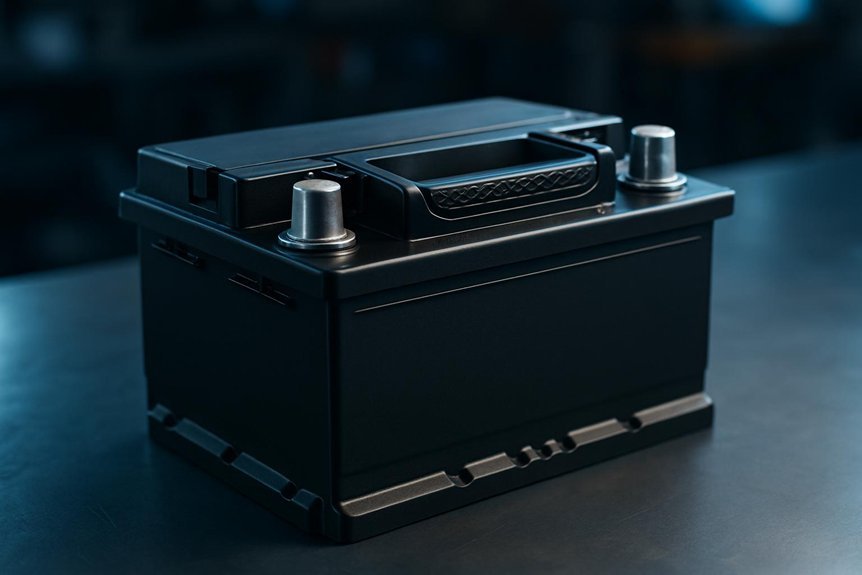
What factors determine lithium starter life? We approach this with data-driven clarity, addressing what’s most impactful. We examine aging patterns to gauge how cycles, depth of discharge, and calendar aging reduce capacity and cranking power over time. Battery chemistry dictates internal resistance growth, thermal behavior, and voltage stability, all of which influence start reliability. We measure cycle life in discharge-charge events and calendar life in years, then relate these to cold starts and high-load events. Safety concerns drive our thresholds for overcharge, overdischarge, and thermal runaway risks, prompting robust protection strategies. We assess manufacturing quality, cell balancing, and BMS accuracy as baseline reliability drivers. By isolating variables, we forecast maintenance intervals, ensuring dependable starts while preserving safety and overall system integrity. Aging patterns and Battery chemistry guide our conclusions.
How Temperature and Climate Change Lifespan
Temperature and climate profoundly shape lithium starter lifespans by altering chemical reactions, resistance growth, and thermal behavior. We observe that extreme temperatures accelerate aging indicators, increase parasitic drains, and amplify corrosion risks, while extreme heat heightens sulfation risk and parasitic loss. Climate impacts shift battery chemistry, stressing cooling needs and thermal management; improper cooling raises internal resistance and shortens cycle life. We emphasize safety and reliability, detailing charging protocols, float charging considerations, and replacement timing aligned with warranty terms. Cost considerations and environmental effects drive decisions about recycling options and enduring performance. By tracking temperature exposure, we tailor maintenance, inspection intervals, and failure forecasts to mitigate degradation and extend service life.
| Temperature Exposure | Thermal Response | Recommended Action |
|---|---|---|
| Hot climates | Accelerated aging | Enhance cooling |
| Cold climates | Reduced chemistry activity | Preheat, monitor charge |
| Cycling frequency | Resistance growth | Optimize cycle planning |
| Vibration | Connection wear | Inspect mounts, tighten |
| Environmental moisture | Corrosion risk | Seal, dry storage |
How Your Charging Habits Affect Longevity
Charging habits directly shape lithium starter battery longevity: aggressive high-rate charging, shallow cycling, and prolonged parasitic loads accelerate degradation, while balanced charging, proper rest periods, and adherence to manufacturer profiles slow aging. We monitor battery chemistry indicators and model how recharge cycles impact capacity loss, aiming to minimize abrupt current spikes that stress cells. Gentle, staged charging respects voltage windows and reduces internal resistance growth, improving cycle life. We urge consistent charging routines, avoiding repeated full-discharge events that force deep cycles, which shorten overall lifespan. Our guidance prioritizes safety: secure connections, proper insulation, and awareness of heat generation during charging. By aligning habits with data-driven profiles, we preserve reliability, optimize performance, and extend service intervals for your lithium starter battery.
How to Spot Aging Signs and When to Replace
How can you recognize when a lithium starter battery is aging and needs replacement? We observe a drop in cranking performance, longer engine turnovers, and reduced cold-start reliability—each indicating start aging. We measure voltage under load; a healthy pack should rebound quickly, while sustained sag signals degradation. Capacity tests show fewer cold-cranking amps than stated; if you’re consistently below spec, plan replacement timing. Noticeable heat generation during charging or idle can also reflect internal resistance rise, a red flag for aging. Safety-critical systems rely on predictable starts, so don’t ignore abnormal dashboard indicators or warning codes. If you see consistent performance declines, schedule assessment promptly; proactive replacement timing minimizes unexpected failure and preserves safety and reliability.
Practical Tips to Maximize Starts Without Sacrificing Lifespan
What practical steps can we take to maximize starts without shortening the battery’s life? We approach this with data-driven checks, focusing on starter chemistry and thermal management to keep temps within safe ranges and cycles healthy.
- Monitor battery voltage and cranking current, rebooting the system if spikes exceed spec.
- Maintain cooling: ensure ventilation around the pack, clean fins, and avoid blocking airflow to control thermal buildup.
- Schedule regular thermal checks and preventive cooling measures during hot climates or after repeated starts.
- Use the correct charger profile for lithium-start systems, avoiding overcharge and deep discharge.
These practices reduce stress, preserve cycle life, and deliver reliable starts with safety as a priority.
Frequently Asked Questions
Do Lithium Starter Batteries Fail Suddenly or Gradually?
We see that lithium starter batteries mostly fail gradually, with capacity fade and higher internal resistance preceding abrupt outages. We’ll compare data, monitor temps, and plan replacements; two word discussion ideas, irrelevant topics, guide our safety-focused, precise approach, readers.
How Long Can a Lithium Starter Hold a Charge Unused?
We can say: A lithium starter battery held in long-term storage typically retains usable charge for months, but charge maintenance is essential; we recommend periodic top-ups and monitoring to prevent capacity loss and ensure safe, reliable cold-start readiness.
Can Cold Starts Shorten Lithium Battery Lifespan More Than Heat?
Cold starts can shorten lifespan more than heat, we’ve found, so cold starts vs heat impact is real; we monitor temps, minimize brief discharges, and follow optimized charging to protect lifespan impact and safety.
Are There Signs Specific to Lithium Starters vs. Alternator Failures?
We investigate whether there are lithium starter-specific failure modes; yes, signs differ from starter versus alternator issues. We’ve seen lithium failure modes include rapid voltage drop and no-crank symptoms, while alternator problems show charging faults and dimming.
Is Battery Replacement Cost Influenced by Vehicle Type or Engine Size?
Yes, replacement cost varies with vehicle weight and engine size, since heavier vehicles demand larger packs and more cycles; more charging cycles raise total costs over time. We assess safety, specs, and warranty data before advising.
Conclusion
We protect battery life by understanding the basics, by measuring heat, voltage, and current, by avoiding deep discharge, and by following a disciplined charging routine. We monitor cycles, cap parasite losses, and respect manufacturer profiles. We cool, we balance, we don’t push beyond rated amps. We plan maintenance, replace worn cells, and tighten connections. We start reliably, we cycle wisely, we store safely. We act on data, we prioritize safety, and we keep starts strong, for longer.