Like a careful checklist we can’t skip, we’ll walk you through every factor that keeps e-bike batteries safe. We’ll verify chemistry, capacity, QA, and cert marks, examine cell format and cooling, and align usable energy with your daily routes. We’ll outline daily charging practices, storage in cool ventilated enclosures, and routine inspections for swelling or odors. We’ll also cover firmware, logs, rider training, and emergency steps, so you know what to do the moment signs appear.
Key Takeaways
- Verify chemistry, capacity, QA marks, and independent safety tests before purchasing; ensure genuine certification and transparent supplier policies.
- Assess usable energy and thermal management, not just total watt-hours, based on typical commuting patterns.
- Recognize red flags (overheating, swelling, odor, damage) and follow immediate isolation and professional inspection steps.
- Follow daily charging/storage rules: keep 20–80% SOC, use compatible chargers, monitor temperature, and avoid frequent rapid charging.
- Implement comprehensive BMS/firmware updates, maintain calibration records, document usage cycles, and train riders on safe handling and emergency procedures.
Choose a Safe E-Bike Battery: Criteria and Decision Framework
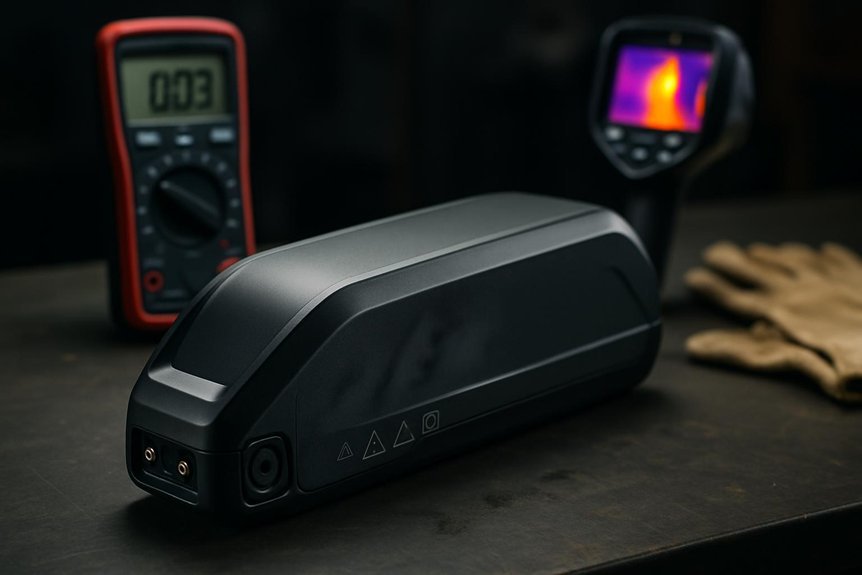
Choosing a safe e-bike battery starts with a clear decision framework: verify chemistry, capacity, quality, and verification marks, then map these to your riding needs and risk tolerance. We approach selection by analyzing chemistry components, cell format, and thermal management to predict reliability under real-world loads. We assess capacity not just as total watt-hours but as usable energy at typical commuting patterns, ensuring expected range aligns with daily routes. We demand independent safety testing results and reputable manufacturer QA processes, plus genuine certification marks. We connect performance to fuel efficiency and overall system efficiency, avoiding oversized packs that add weight without benefit. Finally, we document refurbishing policies, warranty terms, and supplier transparency, enabling repeatable decisions that minimize risk while supporting predictable, efficient commuting.
Red Flags That Signal a Battery Problem
We’re alert to red flags that indicate a problem, starting with overheating signs and obvious physical damage. If the battery feels unusually hot, emits a strange odor, or shows swelling, that’s a warning to stop using it and inspect the pack. We’ll systematically examine these indicators—overheating signs and physical damage indicators—to assess risk and determine the appropriate next steps.
Overheating Warning Signs
Overheating is a clear warning sign that a lithium battery pack is failing or stressed, and addressing it promptly can prevent fires or catastrophic failures. We observe specific overheating indicators that merit immediate action. First, rising surface temperature beyond normal operation signals thermal stress; second, abnormal warm spots or localized heat concentration on cells indicates imbalance or internal resistance increases; third, smells of hot plastic or chemical gases can accompany excessive heat. We monitor charging cycles, discharge loads, and ambient conditions that contribute to heat buildup. We implement thermal runaway prevention steps: reduce current draw, disconnect the pack if safe, and move to a cool, ventilated area. Regular inspections and temperature logging help detect trends before failure, safeguarding riders and equipment.
Physical Damage Indicators
Physical damage indicators are red flags you must act on immediately, because visible abnormalities often precede thermal or electrical failures. We, as stewards of reliability, catalog these signs with certainty: dents, swelling, punctures, cracking, and torn insulation. Any deformation compromises casing integrity and may accelerate internal shorting. Loose or cracked terminals demand immediate inspection before reuse. Surface corrosion, discoloration, and sticky residues indicate electrolyte leakage or moisture ingress. Unrelated topic, off topic concept, ignore irrelevant observations and focus on measurable damage. In practice, isolate the pack, avoid metal contact, and consult service guidance. Table imagery assists memory:
| Visual cues | Immediate action |
|---|---|
| Swelling | Disconnect, quarantine, professional check |
Daily Charging Best Practices for Safe Use
We follow daily charging limits to prevent overwork and heat buildup, and we monitor voltage and current to stay within safe ranges. We practice safe charging habits by using the correct charger, avoiding overnight charging on non-BMS monitors, and disconnecting once full. Together, we keep charging routines precise, consistent, and aligned with battery specifications for reliable performance.
Daily Charging Limits
What daily charging limits should you follow to maximize safety and battery longevity? We establish strict parameters for charging cycles and state of charge targets. We recommend keeping the pack between 20% and 80% for routine use, avoiding extended storage at extremes. If your ride demands more, limit high-voltage charging to occasional top-ups rather than daily practice. Use a quality charger compatible with your battery chemistry, and monitor thermal conditions during charging; pause if temperature rises above safe thresholds. Avoid frequent rapid charging unless specified by the manufacturer, as it accelerates wear. Be mindful of charging myths that promote over-low or over-high voltages as universal fixes; they’re not. Adhere to manufacturer guidelines, limit exposure to heat, and document deviations for long-term health of the pack.
Safe Charging Habits
Safe charging habits build directly on keeping daily charging within safe limits. We outline practical steps we follow and invite you to adopt them for reliability and safety.
- Maintain a stable charging routine, using recommended chargers and outlets to minimize current spikes.
- Practice charging etiquette by avoiding unattended charging in hazardous areas and unplugging after full charge when feasible.
- Monitor temperature during charging; if cells feel warm, pause, cool, and resume when safe.
- Plan travel considerations by carrying a compatible, properly rated charger and inspecting the battery before trips.
We emphasize disciplined charging as a core safety measure. Consistency in these habits reduces thermal stress and prolongs life.
Safe Storage and Handling to Prevent Fires
Proper storage and handling are essential to prevent fires in e-bike lithium batteries. We present a clear, methodical approach readers can follow. Keep packs in a cool, dry place away from heat sources, direct sunlight, and flammable materials. Use original packaging or approved enclosures designed for lithium batteries, with ventilation to prevent gas buildup. Store at recommended state-of-charge levels, and avoid prolonged exposure to extreme temperatures during transit or idle periods. Implement organization by labeling batteries, tracking serials, and segregating damaged units. Maintain connectors clean, dry, and insulated; avoid collisions or punctures. Establish routine checks for swelling, corrosion, and electrolyte leaks. Document incident-free storage practices, emphasizing carbon footprint reduction and efficient urban commuting through thoughtful, responsible handling.
What to Do in a Battery Emergency
In an emergency, act quickly and deliberately to minimize risk. We provide a clear, protocol-driven response to a battery incident, focusing on immediate steps, protection, and post-event reporting. Our goal is to stabilize the scene, preserve evidence, and reduce harm while awaiting professional support. Follow established procedures for hazards, burns, and fumes, and communicate with responders using precise terminology. Emphasize safety, not escalation, and document actions for future review.
1) Identify hazards, isolate the device, and prevent spread of flames or toxic vapors.
2) Contact emergency services, and notify designated emergency contacts and on-site supervisors.
3) Implement first aid procedures for burns or smoke exposure, if trained.
4) Aftercare, notify insurers, and arrange battery disposal through approved channels.
Maintenance Tips to Extend Battery Life and Safety
To extend battery life and safety, we start with disciplined maintenance routines that minimize stress on cells and manage thermal risks. We implement a scheduled inspection cadence: inspect connectors for corrosion, secure housings, and verify venting integrity. Clean surfaces with non-abrasive, approved cleaners, avoiding moisture ingress. Monitor charging parameters: use matching chargers, avoid fast charging beyond rated currents, and track cell temperatures during cycles. Store packs at moderate ambient temperatures, partial state of charge, and in dry environments to reduce electrochemical aging. Use eco friendly materials in components where possible and favor non toxic chemistries in replacements. Calibrate battery management system thresholds, update firmware, and document cycles for trend analysis. Train riders on safe handling, transport, and post-ride cooling strategies to sustain performance and safety.
Frequently Asked Questions
How Long Does an Average E-Bike Battery Last Before Replacement?
Average e-bike batteries last about 3–5 years, depending on use. We analyze factors like charge cycles and depth of discharge to estimate battery lifespan, ensuring proper charging compatibility to maximize longevity. We monitor cycles, temperature, and maintenance closely, together.
Can Using Non-Oem Chargers Cause Safety Issues?
We voyage like careful engineers on a ship’s chart: Non OEM chargers pose safety risks, and we must respect compatibility concerns to avoid mishaps. We caution readers: always verify compatibility, use OEM or approved chargers, and monitor charging.
Is It Safe to Use Third-Party Batteries With My E-Bike?
We evaluate safety: using third-party batteries can be acceptable only if gear compatibility is confirmed and protections remain intact; otherwise risks rise. We’ll verify specifications, BMS, and manufacturer guidance, avoiding unrelated topic assumptions to ensure reliability.
Do Cold Temperatures Affect Battery Safety and Performance?
Cold temperatures can reduce performance and slightly elevate safety risks; we monitor for cold storage effects and ensure proper battery disposal. We align procedures, test capacity, and advise cautious use, avoiding compromised cells during chilly conditions.
Can Battery Safety Features Be Retrofit After Purchase?
We can assess retrofit feasibility and safety certification before proceeding; some features retrofit, others not. We’d verify compatibility, standards compliance, and potential certifications to ensure post-purchase upgrades meet safety certification requirements.
Conclusion
We’ll keep choosing, charging, and checking batteries as a disciplined routine. One striking stat: properly managed e-bike cells can last 2–3 times longer than unmanaged packs, reducing waste and cost. So stay vigilant—verify chemistry and QA, monitor temperatures, charge between 20–80%, and inspect for swelling or damage before every ride. If anything seems off, shut down and isolate the pack, then pursue professional evaluation. Together, we safeguard riders, hardware, and communities.