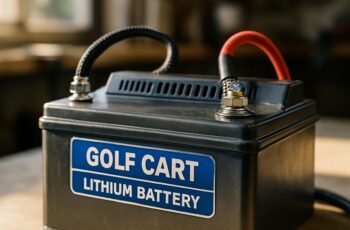
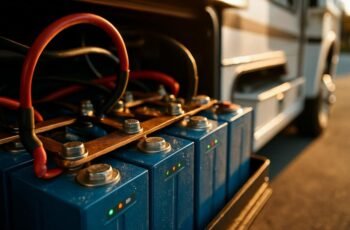
We follow a controlled charging profile for Li‑ion cells, balancing moderate current, precise end voltage, and gradual taper with rest periods to limit impedance rise and heat. We keep temps within 0–45°C (optimally 10–25°C) and pause if they drift outside. We prefer validated chargers with proper communication and gentle top‑ups during idle periods, while tracking temperature, voltage, and SOC to flag anomalies. There’s more to consider before you lock in a routine.
Key Takeaways
- Define charging targets: use precise end-of-charge voltage, controlled current taper, and staged rest periods to maximize efficiency and longevity.
- Use temperature-aware charging: keep charging between 0–45°C (best 10–25°C); pause and cool if temps drift outside this range.
- Prefer moderate rates for daily top-ups: 20–80% SOC with gentle current to minimize heat and degradation; reserve fast charging for time-critical needs.
- Monitor and log data: track voltage, current, SOC, temps, and ambient conditions; set alarms for thresholds and deviations.
- Conduct proactive diagnostics: regularly review charging curves, venting, heat, and connector integrity to guide maintenance or service.
Defining Optimal Li‑Ion Charging
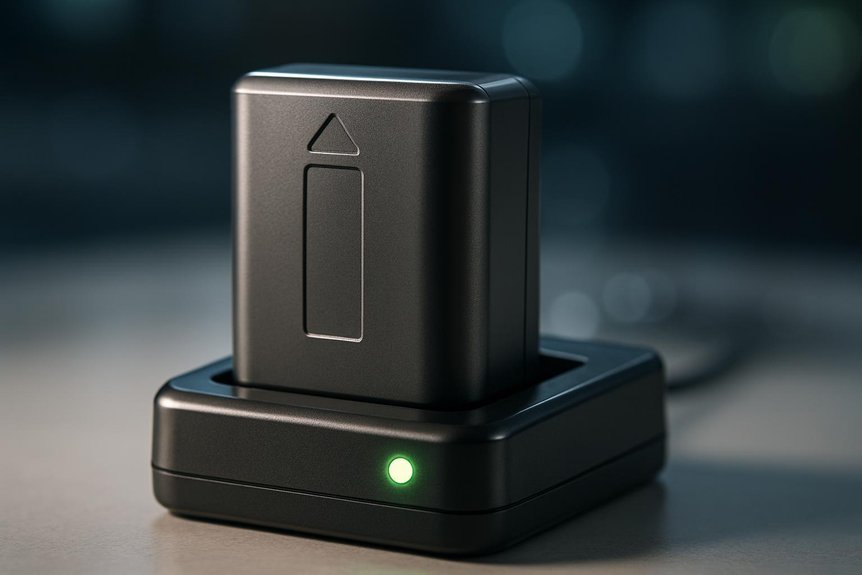
Determining optimal Li‑ion charging means identifying voltage, current, and timing targets that maximize efficiency, safety, and longevity. We define a charging cadence that aligns with cell chemistry, pack design, and thermal limits, ensuring the profile remains within safe envelope boundaries. Our approach targets precise end-of-charge voltage, controlled current taper, and staged rest periods to minimize internal resistance growth and heat generation. We quantify energy density implications by balancing state of charge windows with thermal margins, optimizing usable capacity without compromising cycle life. We document charger interoperability, including conductive and wireless interfaces, to preserve consistency across platforms. By specifying drift allowances, measurement cadence, and fault thresholds, we establish repeatable, verifiable charging routines. This framework supports robust, scalable, end-user guidance for reliable runtime performance.
How Fast to Charge: and When to Avoid Fast Charging
We balance charging speed with cell health and safety by specifying when fast charging is appropriate and when it isn’t. We outline clear criteria and tighten operational boundaries to minimize risk while meeting user needs. Fast charging accelerates charge but increases stress on electrodes and can elevate heat generation, so we apply it selectively and monitor safety considerations.
1) Use fast charging for time-critical top-ups or limited window opportunities.
2) Avoid fast charging when state of charge is near full or temperatures are elevated.
3) Prefer validated chargers and chargers with proper communication protocols.
4) Prioritize slower rates during long idle periods to extend cycle life and reduce degradation.
Safe Charging Temperatures for Li‑Ion Batteries
What temperature range allows safe Li-ion charging without compromising cell health, and how should deviations be handled? We operate within a narrow band: charging optimally occurs between 0°C and 45°C (32°F to 113°F), with best results near 10–25°C. Below 0°C, internal resistance spikes, increasing charging hazards; above 45°C, electrode kinetics accelerate degradation. If ambient or pack temps drift outside this window, pause charging and initiate thermal management—cooling or heating as needed—before resuming. We monitor cell surface and pack temperatures, not just ambient. Implement active cooling for high-rate charging and passive insulation during cold starts. Battery management systems should enforce temperature thresholds, gate charging currents, and log deviations. Maintaining consistent temperature supports long-term health, prevents capacity loss, and minimizes safety risks.
Daily Charging Habits That Extend Battery Life
We recommend gentle daily charging to minimize stress on the cells and preserve capacity over time. We’ll outline clean charge cycles, ensuring full recalibration only when needed, and we’ll keep replenishment within optimal temperature ranges for reliability. By staying temperature-aware during refills, we can extend battery life while maintaining performance.
Gentle Daily Charging
Gentle daily charging means keeping charging sessions short and frequent, rather than letting the battery discharge deeply before topping up. We adopt a disciplined routine to preserve long term stability, reducing stress on the cells and chemistries. With controlled top-offs, we limit depth of discharge and minimize voltage excursions that degrade cells over time. Our approach emphasizes practical limits and repeatable behavior.
- Monitor state of charge to target 20–80% windows for routine use.
- Prioritize moderate current during top-ups to avoid excessive heating.
- Schedule daily sessions to align with ambient conditions and utilization patterns.
- Log charging events to track trends and detect deviations early.
This gentle daily method supports consistent performance, clarity, and long life, without sacrificing immediate utility.
Clean Charge Cycles
Clean Charge Cycles refine daily charging by emphasizing disciplined top-ups within a stable window, building on our Gentle Daily Charging approach. We align cycles to a narrow state of charge range, prioritizing frequent, small additions over rare full charges. This habit reduces high-current spikes and mitigates irreversible capacity loss from deep discharges. We track calibration anecdotes to verify real-world SOC accuracy, ensuring that our top-ups remain within the target band without overshoot. By maintaining consistency, we minimize parasitic aging and extend usable life without complex interventions. We also address warranty myths by clarifying that routine, manufacturer-aligned charging practices, when executed correctly, support performance expectations rather than undermine them. In practice, calibration checks complement predictable top-ups, not replace proper battery management.
Temperature Aware Refills
Temperature fluctuations directly affect lithium-ion chemistry, so our daily refills account for ambient and battery temperature to optimize efficiency and longevity. We approach temperature aware refills with precision, ensuring safe, steady charging profiles that minimize stress. Our practice minimizes rapid battery stress and avoids thermal throttling by aligning current and voltage to sensor readings.
- Monitor ambient and pack temperature before each refill
- Adjust charge current to stay within safe thermal windows
- Schedule refills away from peak heat or cold spikes
- Verify voltage and state of charge stay within target ranges during a session
This disciplined regimen preserves capacity, reduces degradation pathways, and sustains performance over time.
Charging at Home, in the Car, and at the Office
When charging lithium-ion batteries at home, in the car, or at the office, we must control input to maintain cell health and safety. Our guidance concentrates on predictable charge profiles, avoiding overvoltage, and limiting fast-charging when unnecessary. We prioritize matching charger current to cell impedance and pack capacity, using staged current reduction as voltage approaches target. In office charging scenarios, dedicated outlets with surge protection and compliant adapters reduce risk from unmanaged power sources. For car charging, we emphasize correct connector standards, cable gauge, and thermal management to prevent heat buildup during sustained top-offs. We recommend documenting charging rates and environmental conditions to detect deviations. Use official charging specifications, enable safe shutdown if faults occur, and label devices for consistent, reliable practice in both office charging and car charging contexts.
Tools and Tips to Monitor Battery Health During Charging
We monitor battery health during charging by tracking temperature and charging rates to detect anomalies early. Consistent temperature monitoring helps prevent thermal runaway, while regular checks of charging current and voltage ensure charging remains within design specifications. We’ll outline practical tools and tips that enable precise, real-time visibility into these metrics for safer, more reliable operation.
Monitor Battery Temperature
To guarantee safe and efficient charging, we actively monitor battery temperature with purpose-built tools and clear thresholds. We track the thermal profile during charging to anticipate stress, ensuring margins remain within design limits. Temperature rise beyond set points prompts immediate action, preventing accelerated degradation. We log venting times when applicable to validate enclosure integrity and cooling performance.
- Record ambient and surface temperatures at defined intervals
- Trigger alarms if rise rate exceeds criteria
- Initiate cooling or pause charging to restore safe conditions
- Review venting times and correlate with temperature data for trend analysis
Track Charging Rates Regularly
Tracking charging rates is essential for early anomaly detection and battery health preservation; by continuously monitoring current, voltage, and calculated state-of-charge, we can spot deviations from expected profiles and intervene before degradation accelerates. We maintain a formal cadence: log each charging cycle, timestamped and annotated with ambient conditions. Rate tracking focuses on peak current, taper onset, and remaining capacity against model predictions, enabling rapid identification of charging variability. We compare measured curves to baseline profiles established during design validation, flagging irregularities such as premature current cutoffs or step changes. Our approach emphasizes consistency, data integrity, and traceability, with automated alerts for threshold breaches. Regular audits of charging logs support preventive maintenance, improve lifecycle estimates, and reinforce safe, efficient energy delivery throughout operation.
Troubleshooting Charging Problems and When to Service
How do you identify when a lithium-ion battery charging issue warrants service? We assess symptoms, measurements, and safety indicators to determine if professional intervention is required. We address fault signs promptly to prevent damage or safety risks.
- Check for inconsistent charging current or voltage beyond manufacturer tolerances.
- Inspect connectors and cables for heat, corrosion, or visible damage, including faulty adapters.
- Monitor for rapid voltage drop after charging completes and unexpected self-discharge rates.
- Look for battery swelling, unusual warmth, or audible fizzing, which signal imminent failure and necessitate service.
When in doubt, discontinue use and seek evaluation by qualified technicians. Used practices reduce risk, preserve capacity, and ensure safe handling during service or replacement. Prioritize early diagnostic steps over reactive fixes.
Frequently Asked Questions
How Does Altitude Affect Li-Ion Charging Efficiency?
Altitude impacts charging efficiency: higher altitude reduces air pressure and cooling, slightly increasing charging resistance and temperature rise, which can modestly degrade efficiency. We, however, optimize charging profiles to compensate; you’ll notice minor performance shifts as altitude changes.
Do Charging Curves Differ by Li-Ion Chemistries?
We understand charging curves differ by battery chemistry, with LiFePO4 showing flatter early curves and NMC sharper mid-cycle charges. We, readers, track this; charging curves reflect battery chemistry, influencing efficiency, safety, and cycle life across chemistries.
Can Sunlight Exposure Impact Charging Safety?
Sunlight exposure can affect charging safety; excessive heat from sun can elevate cell temps and stress the battery. We monitor temperatures, avoid direct sun during charging, and guarantee proper venting, insulation, and thermal management for safe operation.
Is Wireless Charging Gentler on Battery Health?
Wireless charging isn’t inherently gentler, but it can be optimized for battery health with proper hardware, heat management, and charging profiles; we monitor temps and charge rates to minimize stress while delivering convenient, safe power.
Do Seasonal Temperature Shifts Alter Charge Speed?
Seasonal temperature shifts do alter charge speed. We observe colder periods slow charging; warmer spells speed it up. We, readers, notice coincidence: environments change, systems respond, and charge speed tracks that seasonal temperature variation with precision.
Conclusion
We’ve walked through safe, controlled Li‑ion charging, pairing moderate current with precise end voltages and gradual tapering. By staying within 0–45°C and logging temp, voltage, and SOC, we catch anomalies before they escalate. Use validated chargers and schedule mindful, slower top-ups during idle periods. If temperatures drift or voltages spike, pause and reassess. Think of charging as a careful orchestra: temperature, current, voltage, and timing must harmonize to keep the battery’s longevity in rhythm.