We’ve all heard the story of the hobbyist who ignored a swollen pack and learned a lethal lesson the hard way. Charging LiPo batteries safely isn’t glamorous, but it’s precise: inspect every pack, choose the right charger, and monitor temperature and per-cell voltages as you go. We’ll walk through the steps, flags to stop, and best practices to keep you confident and protected. Stay with us as we map out the essentials that keep your packs and workspace secure.
Key Takeaways
- Inspect packs for swelling, damage, or loose connections before charging; never charge damaged LiPo packs.
- Use a suitable LiPo charger, matching cell count, capacity, and enabling balanced charging.
- Charge at a conservative C-rate (1C or lower) in a fireproof area with monitoring; avoid unattended charging.
- Monitor per-cell voltages and temperatures; stop if imbalances or overheating occur.
- Store and transport charged packs safely at recommended voltage in cool, dry environments and away from flammables.
What Is a LiPo Battery and How It Charges
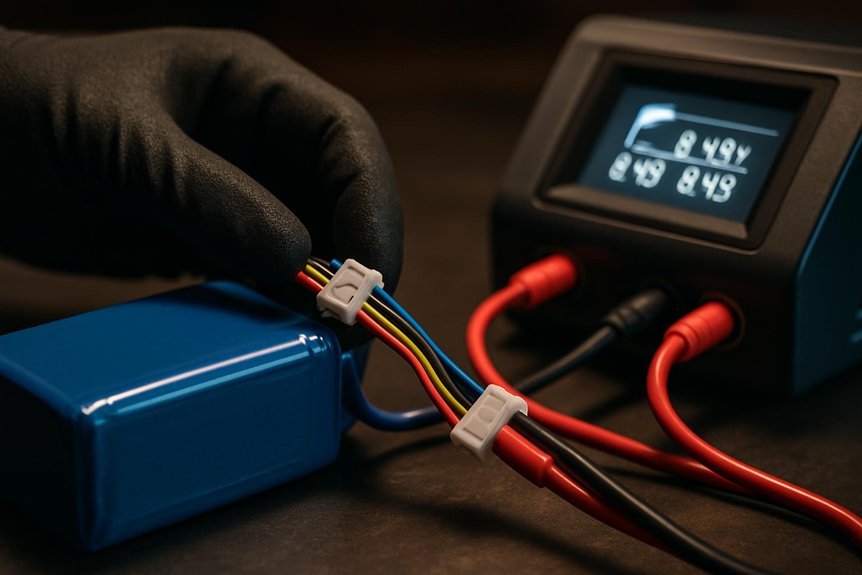
A LiPo battery, or lithium polymer battery, stores energy in a lightweight, flexible pouch rather than a rigid metal can. We understand this design lets us reduce weight and shape cells for various devices, but it also means we must handle with care. In simple terms, a LiPo pack consists of multiple cells, each delivering a nominal voltage that stacks to a higher pack voltage. We monitor cell health, avoid punctures, and keep temperatures in safe ranges during charging and use. Our approach emphasizes lipo safety: inspect for swelling, damage, or loose connections before every session, and never charge unattended. For disposal, we follow local guidelines, involve approved recycling streams, and never discard damaged packs with household waste. Proper knowledge keeps everyone safer and reduces risk during charging and operation.
LiPo Charging Standards: Cells, Balancing, and C-Ratings
We’ll outline the essentials of LiPo charging standards, focusing on cell balance and C-rate guidance to keep packs safe and reliable. We’ll cover how individual cell voltages should stay within specified limits, why balancing is necessary for multi-cell packs, and how C-rates influence charge current and duration. We’ll keep these practices clear and actionable so you can apply them confidently in your charging routine.
Cell Balancing Essentials
Cell balancing is essential for LiPo packs to deliver consistent performance and extend life, especially when cells drift from the same state of charge. We approach balancing with clear procedures, careful measurements, and safety in mind, to prevent overcharge and heat buildup. By monitoring each cell, we detect voltage drift early and correct it with controlled balancing steps. Our goal is to keep all cells within tight voltage ranges, ensuring reliable discharge and predictable capacity.
- Monitor individual cell voltages during balance charging and note any drift patterns.
- Use balanced charging or active balancing as appropriate, avoiding excess heat and overcurrent.
- Verify after balancing that pack voltage distribution is uniform and cell temperatures are stable.
C-Rate Guidelines
C-rates matter because they dictate how quickly a LiPo pack should be charged relative to its capacity, and following them helps prevent heat buildup and voltage stress. We approach C-rate guidelines with care, outlining practical limits and safe practice. We consider nominal capacity, cell count, and the charger’s capabilities, selecting a conservative C-rate to minimize stress during replication and storage. We emphasize gradual charging when temperatures rise or when cells show imbalance, avoiding aggressive timelines that invite overheating. We address common myths, including “faster is always better,” by explaining heat generation and internal resistance. We also discuss charging ethics: transparency in labeling, respecting manufacturer specs, and documenting charging history. By adhering to calibrated C-rates, we sustain pack longevity, predictable performance, and safety for every session.
Prepare a Safe LiPo Charging Space
We must set up a dedicated, nonflammable area for charging LiPo batteries, away from flammables, heat sources, and living spaces. We coordinate a controlled space that minimizes risk and supports monitoring, with clear procedures and minimal clutter. Our aim is consistent, safe practice, not off topic ideas or irrelevant topic chatter. We designate a containment–metal tray or fireproof surface, plus a smoke alarm in reach. We keep tools and chargers organized, and we establish a charging schedule to avoid unattended sessions. We limit access to trained individuals during charging and document any anomalies. We maintain ventilation without drafts that could spread heat.
- Use a noncombustible charging surface and stable tray
- Store batteries and chargers separately after use
- Have a fire extinguisher rated for electrical fires nearby
How to Choose the Right LiPo Charger
Choosing the right LiPo charger starts with defining your charging needs, then matching them to a charger with proper safety features and accurate voltage/current control. We approach selection as a practical process, not a sales pitch, focusing on core functions over fluff. First, assess cell count, balance charging, and peak current limits appropriate to your packs. Look for precise CC/CV regulation, balanced terminals, temperature monitoring, and short-circuit protection. Consider compatibility with your pack chemistry and connector types, plus enclosure and fan options for safe operation. We’ll also weigh non technical overview aspects, such as reliability and user feedback, and marketing considerations like warranty, support, and ongoing firmware updates. Finally, verify that the charger’s defaults and safeguards align with your workflow before committing to purchase.
Charge Your LiPo Pack: Quick Start Guide
We start with safety checks before charging: confirm no damaged packs, proper storage voltage, and clean terminals. Next, we choose a charger that matches the LiPo’s cell count and capacity, and ensure the charger settings enable balanced charging. Finally, we follow balanced charging steps precisely, monitor voltages, and stop if any abnormal heat, smell, or swelling occurs.
Safety Checks Before Charging
Before charging a LiPo pack, we perform a quick safety check to prevent thermal runaway or damage. We verify pack integrity, voltage balance, and enclosure condition, then confirm charger settings match the pack rating. This minimizes risk and clarifies potential safety misconceptions before any connection.
- Inspect for swelling, punctures, or glue residue that hints at damage
- Confirm each cell reads within a safe balance range and the balance connector is clean
- Ensure the charging area is dry, nonflammable, and free of clutter
We communicate clearly with readers, emphasizing unrelated topics as cautionary reminders and debunking safety misconceptions. Our routine is precise, consistent, and low-fluff, ensuring you understand why these checks exist and how they prevent avoidable incidents.
Proper Charger Selection
Is selecting the right charger the key to safe LiPo charging, or could the wrong choice compromise pack life and safety? We, as careful readers, choose chargers compatible with our pack chemistry, capacity, and cell count. We verify input power, CC/CV modes, and termination features, avoiding cheap or mismatched units. We prioritize independent balancing capabilities and overcurrent protection to minimize charging hazards. We confirm temperature and cell monitoring options, and ensure the charger supports our battery aging expectations without excessive heat. Table below guides selection criteria at a glance.
| Criteria | Why it matters | How to verify |
|---|---|---|
| Capacity range | Prevents overloading | Check spec sheet |
| Cell count support | Ensures proper balancing | Confirm model compatibility |
| Safety features | Reduces risk | Look for thermal, short‑circuit alerts |
Balanced Charging Steps
Balanced charging requires each cell in the pack to reach the same voltage, so we start by plugging in a charger that supports LiPo balancing and cell-count-specific grading. We then monitor voltage per cell, set the correct end voltage, and confirm equilibrium before completing the cycle. We keep hands off during balance operation and never interrupt a charge. We finish by verifying pack temperature and connector integrity, exiting only when the charger indicates a finished or safe state.
- Use a balancing charger and verify the cell count matches the pack.
- Set and monitor proper end voltage, then confirm balance completion.
- After charging, consider safe disposal options: lipo disposal and lipo recycling where applicable.
Step-by-Step: Charging a LiPo Pack for the First Time
Charging a LiPo pack for the first time is a careful, step-by-step process we’ll follow exactly to guarantee safety and battery health. We begin with a calm workspace, a quality charger, and a known-good balance lead. Inspect the pack for damage; if cracking or swelling exists, don’t charge. Connect the charger to a stable power source, set to LiPo, and select a moderate current—ideally 1C or lower for the first cycle. Use a fireproof charging bag or tray, and monitor until completion. After charging, store at recommended voltage in a dry, cool environment. We practice proper lipo disposal and ensure legal compliance in disposal and handling, following local regulations. By adhering to these steps, we protect both user and battery lifespan.
Common LiPo Charging Mistakes and How to Avoid Them
Common LiPo charging mistakes can sneak in during routine setups, so we stay vigilant about what can go wrong and how to prevent it. We review practices that protect cell health and slow battery aging, focusing on safe, repeatable steps. Our approach prioritizes accurate balance, correct charger settings, and stable, fire-safe environments. We avoid shortcuts that heat cells or misreport voltage, and we verify packs are in good condition before charging. By following clear procedures, we minimize risk and maximize lifespan while maintaining performance.
Careful LiPo charging: check, balance, monitor for safe, long-lasting packs.
- Use the correct charger type and settings for each pack
- Inspect for swelling, damaged leads, and loose connections before charging
- Monitor temperature and voltage during the session to protect cell health and slow battery aging
Field-Charging Safely: On-the-Go Best Practices
Ever wondered how to charge LiPo packs safely when you’re away from the bench? We commit to field safety by planning ahead, choosing approved charging gear, and inspecting it before use. We keep packs in fire-resistant containers, away from flammable objects, and never leave them unattended. We select a low-distraction site, clear space, and maintain stable surfaces to prevent slips or spills. We monitor ambient conditions, avoid extreme temperatures, and limit charging time to manufacturer recommendations. We carry a small, dedicated balance charger with correct voltage settings and verify pack specifications prior to connection. Our on-the-go etiquette emphasizes calm handling, clean cables, and minimal movement during charging. We document and replace damaged packs promptly, and we dispose of waste responsibly, ensuring every field session remains safe and compliant.
Monitor While Charging: What to Watch For
We monitor temperature changes and note any rapid rises or hotspots as soon as charging begins. We also watch the charging current, ensuring it stays within the charger’s specified range and indications of abnormal drift. If anything seems off, we pause charging and reassess to maintain safety and battery health.
Monitor Temperature Changes
How do we stay on top of battery safety when charging? We monitor temperature changes carefully and document trends to support risk awareness. We stay methodical: watch for gradual heat rise, sudden spikes, and localized hotspots, then pause if readings exceed recommended limits. We avoid complacency by pairing observations with a defined action plan.
- Track ambient and surface temperatures at regular intervals during charging
- Note any temperature differentials across cells and discontinue if imbalances appear
- Use calibrated tools and establish a stopping threshold before risk grows
We communicate findings, verify with a second measurement, and adjust charging parameters if needed. This disciplined approach helps prevent thermal runaway and keeps the process predictable and safe.
Observe Charging Current
When charging, we actively monitor current flow to detect deviations that could signal a developing issue. We watch the charging current against the device profile and cell chemistries, logging any unexpected rise or drop. A stable, gradual slope indicates healthy charging; sudden spikes or rapid falloffs require pause and inspection. We guarantee the charger’s limits align with the battery’s rated current, avoiding overcapacity that stresses cells. If the current drifts outside the expected range, we verify connections, balance, and temperature as a triad before continuing. We document observations as part of our care topics, avoiding nonessential distractions during a session. Safety-first habits help prevent thermal runaway and swelling. By staying precise, we protect the pack and preserve performance for future use.
After-Charge Care: Storage, Maintenance, and Longevity
After-charge care is essential to preserve LiPo battery health and performance. We, as responsible owners, follow consistent storage and maintenance routines to maximize longevity and minimize risk. Proper conditions reduce self-discharge and prevent damage from voltage drift. We store packs at a safe, moderate temperature and avoid full charges if storage is prolonged. Regular inspections help detect swelling, puffing, or damaged leads early. When the battery’s life ends, we follow disposal procedures that prioritize safety and environmental responsibility. We also consider insurance considerations for transport and storage in hobby or commercial contexts to ensure coverage and compliance.
- Store at appropriate voltage and temperature, with periodic checks
- Inspect for swelling or damage and replace compromised packs
- Dispose and document the process following disposal procedures and safety guidelines
Frequently Asked Questions
How Do I Recognize a Swollen Lipo Battery?
Swollen battery shows puffiness, bulging, or warping; indicators warning include rapidly increasing warmth and venting odor. We notice danger signs like deformity, swelling edges, and irregular shape. We retreat, isolate, and dispose safely per guidelines.
Can I Mix Different Cell Counts in One Charger?
We don’t recommend mixing different cell counts in one charger; it’s unsafe. We insist on proper charger compatibility and matching configurations. We’ll follow precise steps, verify ratings, and monitor temperature to ensure safe, reliable charging every time.
What Is the Safe Duration for Lipo Charging Overflow?
We discuss battery safety by stating: safe charging durations for LiPo overflow should be strictly limited to manufacturer guidelines, monitor temperature, and never exceed recommended time. We invite discussion ideas while prioritizing cautious, methodical charging practices.
How Often Should I Calibrate My Charger’s Balance Plug?
We calibrate every month to keep accuracy, and we’ll tell you when to recalibrate if readings drift. calibration frequency matters; we perform balance plug checks before each session, ensuring safe, precise charging and avoiding false fault alarms.
Is Conductive Clothing or Jewelry Safe Near Charging Packs?
We strongly advise against wearing conductive clothing or metal jewelry near charging packs, since static or contact can cause short circuits; remove such items, keep hands clear, and handle packs with nonconductive tools in a well-ventilated, supervised area.
Conclusion
We stay vigilant, we stay informed, we stay safe. We charge only on a fireproof surface, we monitor temps and per-cell voltages, we never leave charging unattended. We select the right charger, we set correct LiPo and balance modes, we respect C-rates, and we inspect for damage before every charge. We store properly, we dispose responsibly, we recycle where possible. We commit to following manufacturer specs, we commit to correct practices, we commit to safe, reliable LiPo care.