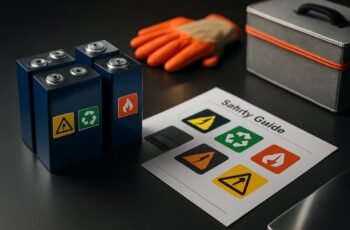
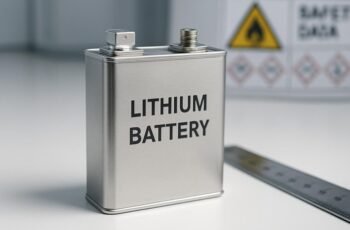
Swollen lithium batteries pose serious safety risks that can escalate quickly in confined spaces. When cells deform, internal pressure can drive thermal runaway, damaging separators and sparking shorts. We’ll outline why this happens, which devices are most at risk, and the immediate steps you should take to protect people and property. Stay with us as we unpack clear indicators, safe handling, and disposal practices that keep you out of harm’s way.
Key Takeaways
- Swelling can lead to gas buildup, vent failure, and thermal runaway, especially in confined or poorly ventilated devices.
- Indicators include bulging casing, warmth, hissing sounds, and rising impedance or capacity fade.
- Immediate actions: pause use, move away from ignition sources, avoid puncturing, and isolate the device to prevent hazards.
- Safe handling and disposal require non-flammable containment, gloves, and proper e-waste or battery recycling channels.
- Prevention focuses on safer chemistries, robust enclosures, integrated safeguards, and timely replacement when signs appear.
What Swollen Batteries Mean for Your Safety
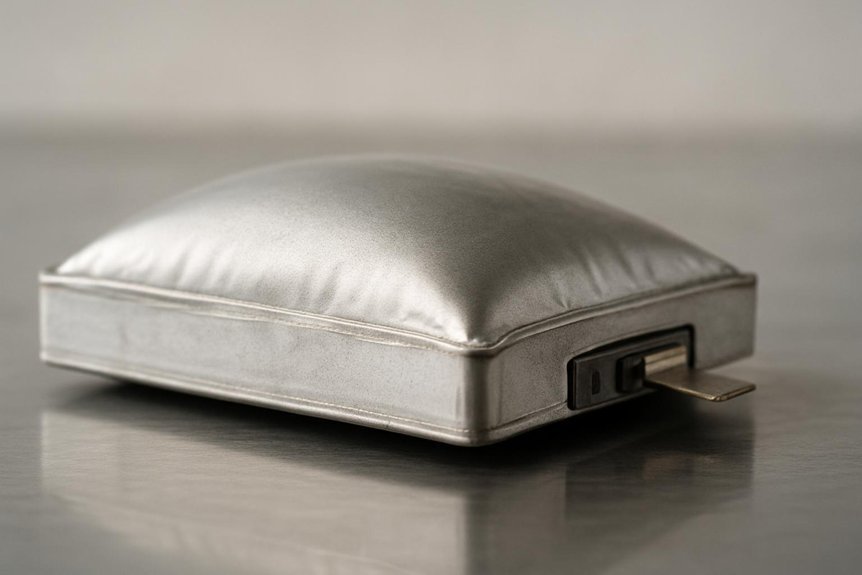
Swollen lithium batteries pose immediate safety risks that you must take seriously. When a battery swells, its internal pressure can rupture seals, release toxic gases, and ignite if exposed to heat or a spark. We’ve seen data showing increased risk of thermal runaway once swelling begins, especially in confined spaces or devices with poor ventilation. A swollen battery also compromises structural integrity, potentially causing short circuits or punctures that escalate danger. For safety, we advise isolating the device, removing power if safe, and avoiding pressure on the case. Do not puncture, crush, or try to reseat the cell. Seek professional disposal or replacement promptly. By recognizing swollen battery symptoms, you reduce safety risks for yourself and others.
How Swelling Develops Inside a Lithium Cell
How does swelling actually develop inside a lithium cell, and what does that mean for safety? We’ll outline the mechanism with a clear, data-driven lens. Swelling starts when gas-generating reactions exceed diffusion paths, lifting the can and separator. In a swollen cell, internal pressure rises as electrolyte decomposition, electrolyte oxidation, and SEI instability release gases like CO2, H2, and O2 over time. Lithium plating and dendrite formation can also contribute, creating microcracks that vent gas and trap it, accelerating pressure buildup. Thermal runaway risk increases as internal pressure compresses safety vents or shunts heat away from control systems. We monitor rapidly rising impedance, capacity fade, and audible hisses as early warning signs. Understanding these dynamics helps minimize risk before a failure event.
Devices Most at Risk From Swollen Batteries
Many devices face unique risks when swollen lithium batteries occur, and we must target the highest-probability failure modes. We identify smartphones, laptops, tablets, and wearables as top-risk categories due to dense packaging and frequent charging cycles. Swollen battery alters internal pressure, increasing the chance of separator rupture and thermal runaway, especially under prolonged heat, high current, or physical damage. We also see elevated swelling in power banks and ebikes’ auxiliary packs, where combined systems amplify fire and gas hazards. Lithium risks include rapid heat rise, electrolyte leakage, and fire initiation near flammable surroundings. Our focus is on devices with limited venting, high energy density, and user-facing exposure to ignition sources. Prioritize safe shutdown, isolation, and regulatory-compliant disposal to mitigate substantial risk.
Early Signs of a Swollen Battery You Should Notice
When a swollen battery poses risk, spotting early signs fast can prevent ignition or fire. We’re guiding you through clear, observable cues that help you act before danger escalates. Early symptoms include noticeable bulging, soft or swollen casing, and a device that won’t sit flat. You may hear popping or hissing sounds, detect surface warmth, or notice a sweeter or unusual chemical odor near the battery. Visual changes and rapid temperature rise are red flags that demand careful attention. Don’t rely on consumer myths about “safe” charging; data show swelling can progress quickly. Treat any swelling as abnormal and requiring precautionary handling. Recognize these signs promptly, and avoid normalizing or delaying response to protect people and property.
What to Do Immediately If You Suspect Swelling
If you suspect swelling, act immediately to minimize risk and protect people and property. We’re guiding you through rapid, concrete steps grounded in swollen battery risk and known lithium cell chemistry. First, pause use and move the device away from ignition sources, preferably outdoors or in a well-ventilated area. Do not puncture, crush, or apply excessive pressure, as this can release toxic gases or ignite. If safe, power down remotely or unplug, then isolate the device in a non-flammable container. Evacuate nearby occupants if ventilation is poor or temperatures rise quickly. Call local emergency services if there’s heat, smoke, or odor. Monitor for worsening swelling and avoid handling with bare hands; use protective gloves if transfer is needed. Document time, condition, and actions for review.
Safe Storage and Charging Tips to Prevent Swelling
We’ll cover Safe Storage Practices and Proper Charging Guidelines to minimize swelling risk, emphasizing evidence-based limits and cooling considerations. Proper storage means stable, moderate temperatures, away from heat sources, and periodic inspection of seals and venting; proper charging means using the correct charger, avoiding overcharge, and monitoring temperature during charging. We’ll discuss how small deviations from these guidelines can substantially impact swelling risk and what data show about best practices.
Safe Storage Practices
Safe storage and charging practices are essential to prevent swelling and maintain lithium battery safety. We approach storage with risk awareness, prioritizing controlled environments and clear labeling. We choose storage locations that minimize temperature fluctuations, avoid moisture exposure, and separate high-risk devices from other electronics. We restrict access to trained personnel and implement burn-resistant containment when necessary. We advise consistent state-of-charge targets for long-term idle periods and avoid keeping packs at full charge or fully depleted whenever possible. We emphasize safe handling to reduce physical damage during transport or relocation. Regular inspections for deformation, leaks, or corrosion are required, with immediate isolation if signs appear. Our guidance relies on data-driven thresholds and strict adherence to manufacturer recommendations.
Proper Charging Guidelines
To minimize swelling risks during charging, we align charging practices with verified device and battery pack specifications, avoiding exceedance of recommended voltage, current, and temperature windows. We monitor charging currents, use approved adapters, and avoid daisy-chaining multiple packs. Our guidelines emphasize avoiding fast-charging unless explicitly supported by the battery chemistry and device firmware. We recognize swelling causes when cells experience overvoltage, high temperatures, or prolonged high-current states, so we prioritize thermal management and status indicators during charging. We recommend periodic calibration and avoiding charging in extreme ambient conditions. If swelling is detected, discontinue use, isolate the pack, and consult manufacturer safety data. Consistent, data-driven practices protect battery safety and reduce risk, preserving integrity for future use and preventing cascading failures.
How to Safely Dispose of Swollen or Damaged Batteries
We’ll walk you through safe handling steps and proper disposal methods for swollen or damaged batteries, focusing on minimizing risk and following data-driven guidance. If you suspect swelling or damage, isolate the device, avoid pressure or puncture, and use insulated gloves to prevent shock or chemical exposure. We’ll outline step-by-step actions and local disposal options to ensure safe, compliant end-of-life management.
Safe Handling Steps
What’s the safest way to handle swollen or damaged lithium batteries, and why does it matter for immediate risk mitigation? We act swiftly, isolating the item from people and heat sources, then placing it in a non-conductive container away from flammable materials. Do not puncture or press any damaged cell; avoid charging, disassembly, or exposure to moisture. Ventilate the area and call local hazardous-waste or fire-services for guidance on pickup or drop-off. While we address the situation, monitor for signs of continued swelling, smoke, or heat, and keep others clear. We acknowledge swelling causes are unpredictable; therefore, treat every swollen pack as potentially hazardous. We debunk battery myths by sticking to protocols and not improvising. Safety is the priority.
Proper Disposal Methods
Swollen or damaged lithium batteries must be disposed of through proper channels, not ordinary trash. We urge you to follow verified disposal routes, as improper handling elevates fire and chemical exposure risks. First, mark the item as damaged and transport it to an authorized e-waste or battery recycling facility. Do not discard in curbside containers, and avoid mixed loads that could trigger thermal events. Many regions require specific battery drop-offs or mail-back programs; check local legal considerations and manufacturer guidance. Maintenance of documentation supports compliance and traceability. Avoidance strategies include using certified carriers and pre-arranged pickup. Table below summarizes options to support safe disposal.
| Option | Key Considerations |
|---|---|
| Authorized Facility | Verify credentials; follow intake instructions |
| Mail-back/Return | Check eligibility; package per guidelines |
Post-Incident Safety Steps and Checks
Given a swollen lithium battery incident, the immediate safety steps are to isolate the device, evacuate the area if you detect heat or smoke, and prevent any contact with flammable materials. We then assess risk by identifying battery state, enclosure integrity, and nearby heat sources, documenting any odors or venting indicators. We implement controlled cooling with water spray if safe to do so, avoiding direct contact with exposed cell tops, and never puncture the pack. We check for secondary hazards, such as chemical exposure or electrical arcing, and isolate power sources until the pack is stabilized. Afterward, we verify debris containment, monitor for re-ignition, and notify relevant authorities. Two word discussion ideas: unrelated topic, off topic server.
Choosing Safer Batteries and Protective Accessories
Choosing safer batteries and protective accessories starts with recognizing that prevention hinges on both cell chemistry and enclosure design. We, as readers, should prioritize safer materials and robust containment to reduce failure risk. Data show that solid electrolyte formulations and thermally stable cathodes lower venting likelihood, while robust enclosures curtail external damage pathways. When selecting batteries, prefer cells with proven thermal runaway resistance, proper venting mechanisms, and explicit safety certifications. Protective cases and housings should meet impact and crush standards, minimize puncture risk, and maintain insulation during abuse. We also recommend integrated safeguards: current interruption devices, proper wiring harnesses, and thermal management that prevents hot spots. Coupled with routine inspection, these choices reduce exposure to catastrophic events and support safer operation.
When to Seek Professional Help or Replacement Services
We must seek professional help or replacement services when signs point to urgent risk or rapid deterioration. If swelling worsens, heat increases, structural damage appears, or your device won’t power normally, immediate action is required. We’ll discuss these timing cues and replacement considerations to minimize safety hazards and data loss.
When To Seek Help
When should you seek professional help or replacement services for swollen lithium batteries? We respond with urgency: swollen cells signal internal gas buildup and potential rupture. If you notice any compromise in containment, cracking, leaking, hissing, or a battery that’s abnormally soft, stop using it immediately and isolate the device from heat and ignition sources. Do not attempt to puncture, press, or dismantle the pack. Seek certified battery replacement or professional disposal as soon as possible to prevent thermal runaway or fire, especially in high-risk environments. We base this on documented safety guidance and risk assessments that link swelling with imminent failure in many chemistries. If in doubt, contact a licensed technician for evaluation and safe disposal.
Signs Of Urgent Action
Is it time to act now? We should act at the first signs of swollen risks. When a battery shows visible puffing, heat, or rapid swelling, we escalate to professional help immediately. Do not ignore odors, leaks, or deformation, because these indicate internal packing damage or dendrite escalation, increasing venting and fire risk. We rely on data: swollen lithium cells can transition from safe operation to thermal runaway within minutes under stress. Our plan prioritizes a rapid, controlled emergency response—evacuate nearby occupants, avoid ignition sources, and contact certified recycling or hazardous-waste services. Do not attempt DIY puncture or drain procedures. If you observe swelling paired with abnormal warmth or deformation, seek prompt professional assessment and replacement services to minimize exposure and structural damage.
Replacement Timing Considerations
Swollen lithium cells demand a disciplined timing approach for professional assessment or replacement. We advise immediate evaluation when swelling is detected, since rapid degradation can escalate fire risk and thermal runaway. Our guidance centers on replacement timing determined by visual indicators, age, and service history, not cosmetic fixes. If the device is under warranty, check warranty coverage for safety-related battery faults, document swelling incidents, and request authorized service to preserve protection and liability limits. For out-of-warranty scenarios, prioritize professional assessment to quantify remaining pack integrity and fault progression. Delays raise probabilities of complete failure, venting, and collateral damage. Seek certified technicians who follow safety protocols, use appropriate containment, and provide clear disposal or replacement options. Prioritize informed decisions, risk minimization, and proper disposal after replacement.
Frequently Asked Questions
Can Swollen Batteries Be Recharged Safely After Swelling Heals?
Yes, we don’t recommend recharging swollen batteries after swelling recovery. Recharge safety isn’t guaranteed; return to safe disposal or professional testing, as damage may persist. We caution readers: swollen cells pose fire and gas risks, even after swelling subsides.
Do All Devices With Swollen Batteries Need Replacement?
Yes, not all devices with swollen batteries are safe; we recommend replacement. Device safety requires assessing damage, and battery hazards persist even after swelling subsides. We caution against recharging; prioritize professional disposal and data backup.
Are All Brands Equally Dangerous When Swollen?
Yes, not all brands are equally dangerous when swollen. We assess risks by brand safety and battery branding data, focusing on cell type, venting behavior, and manufacturing quality to guide safer disposal and replacement decisions.
How Long Does Swelling Take After Overcharging?
Over 20% of swollen batteries fail within hours of overcharging, so swelling timelines vary widely. We monitor closely for rapid changes; swelling causes include gas buildup from cell degradation, voltage stress, and thermal runaway risk. We urge caution and inspection.
Can External Pressure Cause a Swollen Battery to Ignite?
External pressure can trigger ignition risk in a swollen battery; don’t pressure it. We advise isolating, cooling, and disposing promptly. Swelling recovery safety hinges on professional handling and avoidance of DIY fixes or puncturing.
Conclusion
We must treat swollen lithium batteries as an urgent safety risk. Don’t ignore bulging, heat, or odor—these signs mean immediate cessation of use and rapid isolation from ignition sources. We don’t want a sudden, catastrophic failure, so follow safe handling, secure storage, and proper disposal through authorized channels. Stay data-driven: seek professional replacement and document each step. When in doubt, halt, assess, and err on the side of caution—think of it as protecting everyone in your environment.